
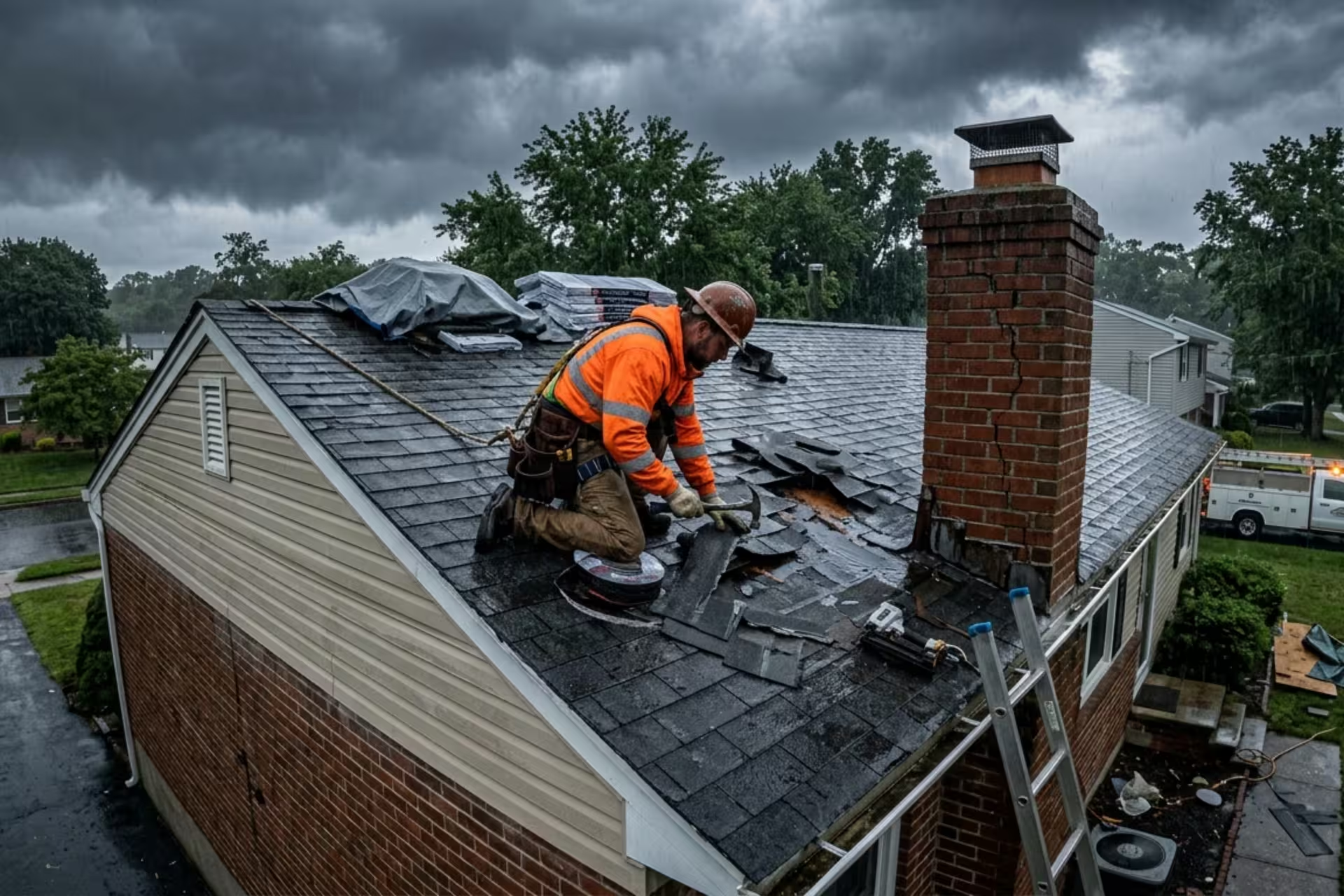
Storm damage, sudden leaks, or structural issues can happen when you least expect them. In New Jersey, extreme weather — including heavy rain, snow, high winds, and ice — can quickly turn a small issue into an emergency.
If your roof or chimney is damaged, acting fast can:
✔ Prevent costly repairs
✔ Protect your home’s interior
✔ Avoid structural damage
In this guide, we’ll walk you through exactly what to do first during a roofing or chimney emergency and how to minimize damage before professionals arrive.
What Counts as a Roofing or Chimney Emergency?
You should treat the situation as urgent if you notice:
Roof Emergencies
- Active water leaks
- Missing or blown-off shingles
- Roof sagging
- Storm or tree damage
- Ice dam buildup
- Ceiling water stains or dripping
Chimney Emergencies
- Leaning or unstable chimney
- Falling bricks
- Large cracks
- Water leaking around chimney
- Damaged flashing
- Chimney separating from the house
👉 These situations can become dangerous quickly and require immediate action.
Step-by-Step: What To Do Immediately
1. Stay Safe First
Safety is your top priority.
- Avoid climbing on the roof
- Stay away from unstable chimney structures
- Keep family members away from danger areas
2. Contain Interior Damage
If water is entering your home:
- Place buckets under leaks
- Move furniture and valuables
- Use towels or plastic sheets
- Turn off electricity if necessary
3. Identify the Source (If Safe)
From inside your home, try to locate:
- Leak origin
- Ceiling stains
- Water entry points
4. Perform Temporary Protection
If safe, you can:
- Cover leaks with tarp (outside only if safe)
- Seal small openings temporarily
- Clear debris from gutters
👉 These are short-term solutions only.
5. Call a Professional Immediately
Emergency situations require expert help.
A professional contractor will:
✔ Assess the damage
✔ Prevent further issues
✔ Provide permanent repair
Common Causes of Roofing Emergencies in NJ
Storm Damage
Strong winds can:
- Lift shingles
- Break flashing
- Cause debris impact
Ice Dams
Winter ice buildup blocks drainage and forces water under shingles.
Aging Roof
Older roofs are more vulnerable to sudden failure.
Poor Installation
Improper workmanship leads to early damage.
Common Causes of Chimney Emergencies
Moisture Damage
Water weakens mortar and bricks over time.
Freeze–Thaw Cycles
Repeated expansion causes cracks and deterioration.
Structural Wear
Older chimneys may become unstable.
Flashing Failure
Leads to leaks where chimney meets roof.
What NOT to Do During an Emergency
🚫 Don’t climb on a damaged roof
🚫 Don’t ignore leaks
🚫 Don’t rely on DIY fixes
🚫 Don’t delay calling a professional
👉 These mistakes can make the problem worse.
How Fast Should You Act?
👉 Immediately
Even small delays can lead to:
- Mold growth
- Structural damage
- Higher repair costs
Emergency Repair vs Full Replacement
Emergency Repair
✔ Stops immediate damage
✔ Temporary or partial solution
Full Replacement
✔ Needed if damage is severe
✔ Long-term solution
👉 A professional inspection determines the best option.
Cost of Emergency Repairs in New Jersey
Typical ranges:
- Minor repair: $300 – $1,500
- Moderate repair: $1,500 – $5,000
- Major damage: $5,000+
Preventing Future Emergencies
✔ Schedule regular inspections
✔ Maintain gutters
✔ Repair minor issues early
✔ Waterproof your chimney
✔ Replace aging roofs
Why Choose On Top Masonry & Construction?
We provide:
✔ Emergency roof & chimney repair
✔ Fast response times
✔ 20+ years experience
✔ Licensed & insured
✔ Reliable and affordable service
✔ Long-lasting solutions
We act fast to protect your home.
Final Thoughts
Roof and chimney emergencies can be stressful — but taking the right steps quickly can prevent major damage and costly repairs.