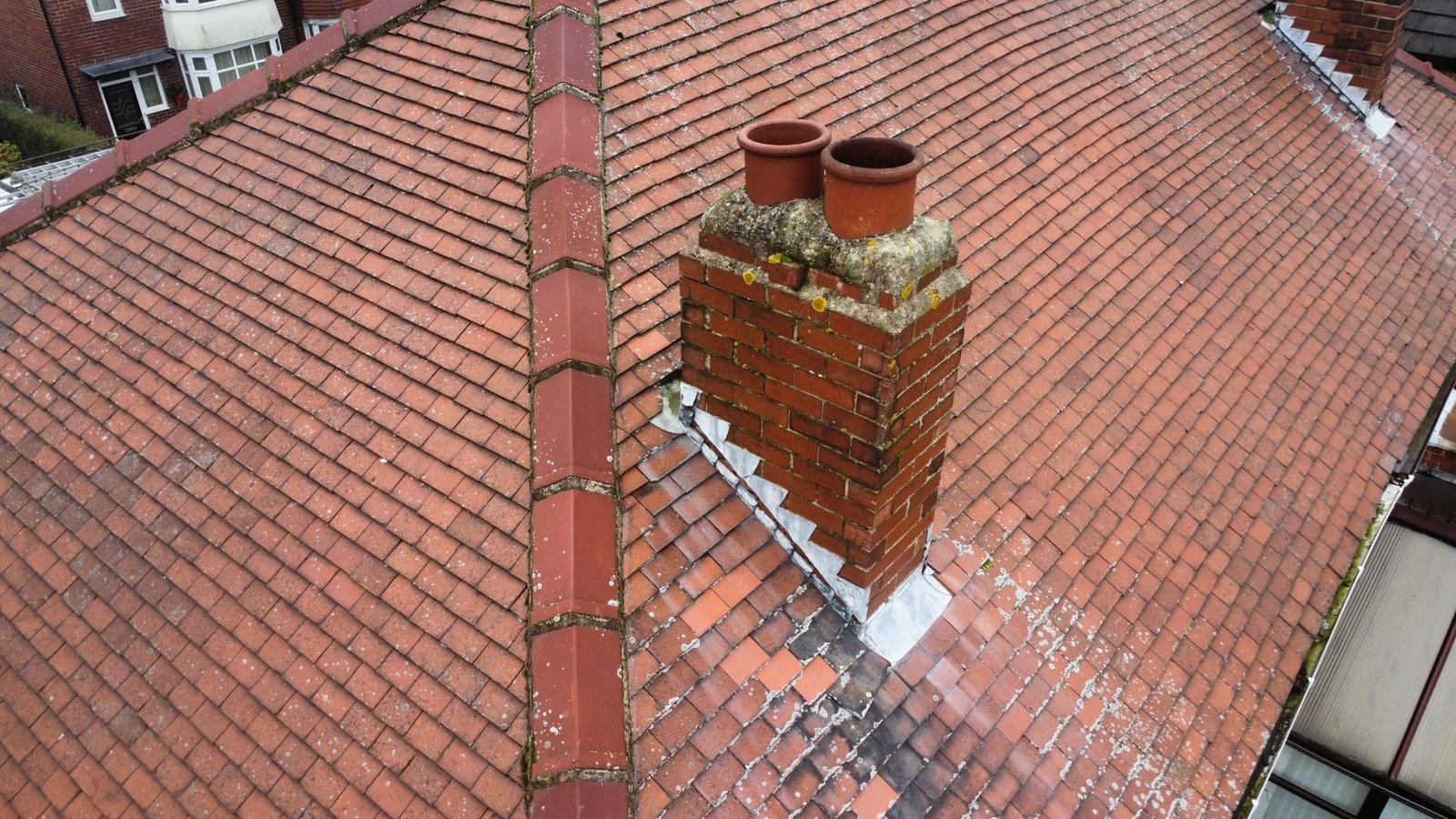
A chimney is one of the most exposed parts of any home. It stands above the roofline and faces rain, snow, wind, ice, heat, and changing temperatures throughout the year. For homeowners in New Jersey, New York, Bayonne, New Brunswick, Lakewood, Montclair, Morristown, Bridgewater, Old Bridge, Southampton Township, Toms River, and surrounding areas, chimney damage is a common issue that should be handled before it becomes a larger repair.
Many chimney problems start small. A few cracked mortar joints, a minor leak after heavy rain, a loose brick, or a small crown crack may not seem urgent at first. However, once water enters the chimney structure, the damage can spread quickly. During winter, trapped moisture can freeze and expand, causing brick spalling, wider cracks, chimney leaks, and weakened masonry.
Chimney repair is not only about appearance. A damaged chimney can affect the roof, attic, fireplace, interior walls, ceilings, and the safety of the masonry structure. Repairing chimney problems early can help prevent water damage, protect the home, and reduce the chance of needing a partial or full chimney rebuild later.
On Top Masonry & Construction provides chimney repair, masonry repair, mortar repair, tuckpointing, repointing, roof replacement, and related exterior services for homes throughout New Jersey, New York, and surrounding service areas.
Why Chimneys in NJ and NY Need Regular Attention
New Jersey and New York weather can be hard on chimneys. The combination of heavy rain, winter snow, ice, humidity, wind, and freeze-thaw cycles can slowly break down bricks, mortar, flashing, crowns, and caps.
A chimney is especially vulnerable because it is exposed from all sides. Unlike a protected wall, the chimney stack receives direct weather impact from above and around the roofline. Over time, this exposure can cause water to enter small openings in the masonry.
Chimney repair helps protect against:
- Water leaks after rain
- Cracked or missing mortar
- Loose chimney bricks
- Brick spalling
- Damaged chimney crowns
- Flashing-related roof leaks
- Interior water stains
- Rusted fireplace components
- Structural weakening
- Costly chimney rebuilding
For homeowners in Bayonne, Montclair, Morristown, New Brunswick, Lakewood, Bridgewater, Old Bridge, Southampton Township, and Toms River, seasonal chimney inspections are helpful before winter and after major storms.
Common Signs Your Chimney Needs Repair
Chimney damage can appear in several ways. Some signs are visible from the ground, while others show inside the home after rain or snow.
Chimney Leaks After Heavy Rain
A leaking chimney is one of the clearest signs something is wrong. Water may enter through damaged flashing, cracked mortar, a broken chimney crown, missing cap, or porous masonry.
Common signs of chimney leaks include:
- Water stains near the fireplace
- Damp smells after rain
- Dripping inside the firebox
- Ceiling stains near the chimney
- Peeling paint around chimney walls
- Damp attic areas near the chimney
- Rust on the damper or fireplace parts
A chimney leak should be inspected quickly because water can spread into the roof structure, walls, and masonry.
Cracked or Crumbling Mortar
Mortar joints hold the chimney bricks together and help seal the structure against weather. When mortar begins to crack, crumble, or fall out, water can enter between the bricks.
Signs of mortar damage include:
- Gaps between chimney bricks
- Sandy or powdery mortar
- Mortar pieces on the roof
- Cracks along the joints
- Loose or uneven brickwork
- Recessed mortar lines
If the bricks are still in good condition, chimney repointing may be enough to restore the joints and reduce water entry.
Loose or Spalling Chimney Bricks
Brick spalling happens when the face of the brick flakes, chips, or breaks apart. This often happens when moisture enters the brick and freezes during cold weather.
Signs of spalling include:
- Flaking brick surfaces
- Broken brick pieces on the roof or ground
- Soft or crumbling brick faces
- Deep cracks in bricks
- Loose bricks near the top of the chimney
- Uneven chimney surfaces
Spalling bricks should not be ignored. If the damage is limited, individual bricks may be replaced. If the chimney has widespread deterioration, partial rebuilding may be needed.
Damaged Chimney Flashing
Chimney flashing is the metal material installed where the chimney meets the roof. Its purpose is to keep water from entering the joint between the roof and chimney masonry.
Flashing problems are common because this area receives a lot of water during storms. If flashing is loose, rusted, lifted, cracked, or improperly sealed, water can enter the roof and show up inside the home.
Signs of chimney flashing problems include:
- Ceiling stains near the chimney
- Leaks during heavy rain
- Damp attic insulation
- Rusted or lifted flashing
- Water marks around the fireplace wall
- Repeated leaks after temporary patching
Roofing and chimney problems often connect. If the leak is near the chimney, both the flashing and masonry should be inspected.
Cracked Chimney Crown
The chimney crown is the top surface of the chimney. It helps direct water away from the flue and brickwork. When the crown cracks, water can enter from the top and move down into the chimney structure.
A damaged chimney crown may cause:
- Water inside the chimney
- Moisture in the fireplace
- Cracks near the top bricks
- White staining on exterior brickwork
- Spalling near the upper chimney
- Repeated chimney leaks
Small crown cracks may be repaired if caught early. A badly deteriorated crown may need replacement.
Missing or Damaged Chimney Cap
A chimney cap helps keep rain, snow, debris, and animals out of the flue. If the cap is missing or damaged, water can fall directly into the chimney.
Signs of cap problems include:
- Water in the fireplace
- Leaves or debris inside the flue
- Animal noises in the chimney
- Rust on fireplace parts
- Damp smells after storms
- Moisture inside the firebox
A chimney cap is a simple but important part of chimney protection. However, if the chimney has already suffered mortar or brick damage, cap replacement alone may not solve the full problem.
Chimney Repointing Before Winter
Chimney repointing is especially important before winter in New Jersey and New York. Damaged mortar joints allow water to enter. When temperatures drop, that water freezes and expands, making the damage worse.
Repointing may be needed if:
- Mortar is missing
- Joints are cracked
- Bricks are becoming loose
- Water enters through masonry
- The chimney looks weathered
- Mortar feels sandy or soft
- Gaps appear between bricks
Repointing helps restore the mortar joints, strengthen the chimney, and reduce water penetration. For older homes in Montclair, Morristown, New Brunswick, Bayonne, and Lakewood, this can be especially important because many properties have aging masonry exposed to years of seasonal weather.
Chimney Repair vs Chimney Rebuilding
Not every damaged chimney needs rebuilding. Many chimney issues can be repaired if caught early. However, if the damage is severe, rebuilding may be the safest and longest-lasting solution.
Chimney Repair May Be Enough If:
- Damage is limited to mortar joints
- Only a few bricks are damaged
- The chimney is not leaning
- The crown can be repaired
- Flashing issues are isolated
- The structure is still stable
Chimney Rebuilding May Be Needed If:
- The chimney is leaning
- Many bricks are loose or broken
- Large sections are deteriorated
- The top of the chimney is unstable
- Water damage has spread deeply
- Previous repairs have failed repeatedly
A proper inspection can help determine whether repair, repointing, brick replacement, crown repair, flashing repair, or rebuilding is needed.
Chimney Repair and Foundation Water Problems Can Be Connected
Chimney leaks and basement leaks may seem unrelated, but both are often caused by water entering weak points in the home exterior. If a property has poor drainage, damaged masonry, roof runoff problems, or cracked mortar, water can affect multiple areas of the home.
For example:
- Roof water may leak near the chimney
- Downspouts may drain too close to the foundation
- Basement walls may leak after heavy rain
- Masonry walls may show white staining
- Poor drainage may damage patios, steps, and foundations
If a home has both chimney leaks and basement moisture, a broader inspection may be helpful.
Areas Served for Chimney Repair
On Top Masonry & Construction provides chimney and exterior repair services across:
- New Jersey
- New York
- Bayonne, NJ
- New Brunswick, NJ
- Lakewood, NJ
- Montclair, NJ
- Morristown, NJ
- Bridgewater, NJ
- Old Bridge, NJ
- Southampton Township, NJ
- Toms River, NJ
- Surrounding New Jersey and New York areas
These local areas include many homes that experience chimney leaks, mortar deterioration, roofline water issues, and freeze-thaw masonry damage.
Final Thoughts
Chimney repair is one of the most important exterior maintenance services for homeowners in New Jersey and New York. A chimney may look strong from the ground, but cracked mortar, damaged flashing, missing caps, crown cracks, and loose bricks can allow water to enter and spread.
For homes in Bayonne, New Brunswick, Lakewood, Montclair, Morristown, Bridgewater, Old Bridge, Southampton Township, Toms River, and surrounding areas, chimney repairs should be handled before seasonal weather makes the damage worse.
On Top Masonry & Construction provides chimney repair, masonry repair, mortar repair, tuckpointing, repointing, roof replacement, and waterproofing services to help homeowners protect their properties from water, weather, and structural damage.