
Water problems around a home can become serious if they are not controlled properly. Standing water in the yard, damp basement walls, foundation leaks, soggy soil, and water pooling near patios or driveways are all signs that drainage may need attention. For homeowners in New Jersey, New York, Bayonne, New Brunswick, Lakewood, Montclair, Morristown, Bridgewater, Old Bridge, Southampton Township, Toms River, and surrounding areas, French drain installation can be an effective way to move water away from problem areas.
A French drain is designed to collect water and redirect it away from the foundation, basement, yard, patio, retaining wall, or driveway area. It is commonly used when water collects in low spots, enters the basement after heavy rain, or places pressure against foundation walls.
New Jersey and New York homes often deal with heavy rainfall, snowmelt, changing soil conditions, and seasonal freeze-thaw cycles. When water sits around the home for too long, it can damage foundations, weaken masonry, cause basement leaks, shift patios, and create wet outdoor areas that are difficult to use.
On Top Masonry & Construction provides French drain installation, basement waterproofing, sump pump installation, foundation repairs, masonry services, patio installation, and related drainage solutions for homes across New Jersey, New York, and nearby communities.
What Is a French Drain?
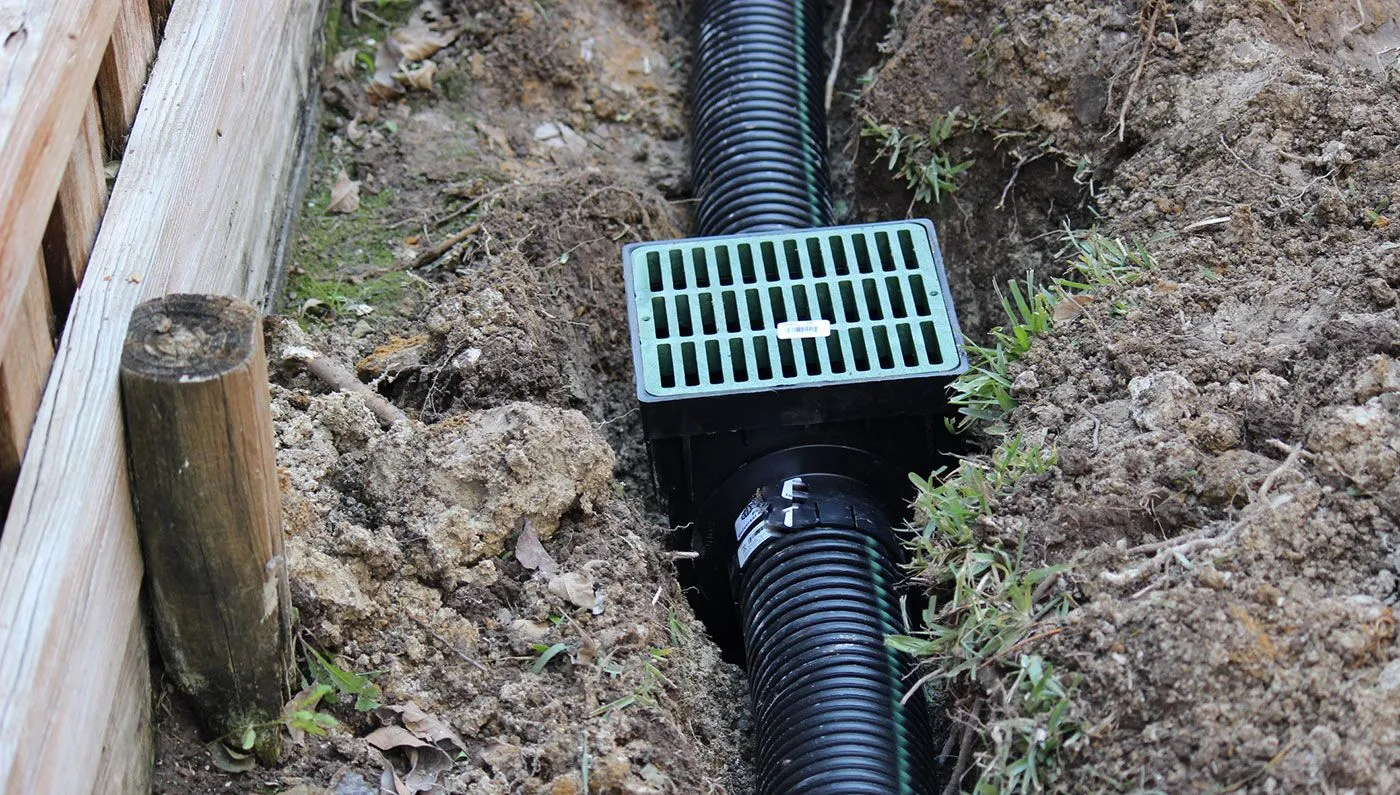
A French drain is a drainage system that helps collect and move water away from areas where it is causing problems. It usually includes a trench, gravel or crushed stone, a perforated pipe, and a planned route for water to discharge safely.
The system works by giving water an easier path to follow. Instead of sitting against the foundation or collecting in the yard, water enters the gravel and pipe, then moves away from the problem area.
French drains are commonly used for:
- Basement waterproofing
- Foundation drainage
- Wet yard drainage
- Patio and walkway drainage
- Retaining wall drainage
- Driveway water control
- Soggy lawn areas
- Water pressure around foundation walls
- Low spots around the property
A French drain does not simply hide water. When properly installed, it helps manage water before it causes damage.
Why Drainage Problems Are Common in New Jersey and New York
Homes in New Jersey and New York face a wide range of weather conditions. Heavy rain, snow, melting ice, humid summers, and winter freeze-thaw cycles can all affect soil and drainage.
Drainage problems often happen because:
- Soil holds too much water
- The yard slopes toward the house
- Downspouts drain too close to the foundation
- Driveways or patios send water toward the home
- The property has low spots
- Existing drains are clogged or damaged
- Retaining walls have poor drainage
- Foundation walls are under water pressure
- Older homes were not built with modern drainage systems
In areas such as Morristown, Montclair, Bridgewater, Old Bridge, Lakewood, Southampton Township, Toms River, Bayonne, and New Brunswick, drainage conditions can vary from property to property. Some homes deal with sloped yards, while others have compact soil, older foundations, or outdoor surfaces that direct water toward the home.
Signs Your Home May Need a French Drain
A drainage issue may be easy to see outside, or it may show up inside the basement after rain. Homeowners should pay attention to repeated water problems.
Water Collects Near the Foundation
If water pools near the base of the home after rain, it can place pressure on foundation walls. Over time, this may lead to basement leaks, cracks, and masonry damage.
Basement Leaks After Heavy Rain
Water entering the basement after storms may mean the soil around the foundation is saturated. A French drain can help collect and move water before it pushes through weak points.
Soggy or Soft Yard Areas
A yard that stays wet long after rain has stopped may have poor drainage. This can make the outdoor space difficult to use and may damage nearby patios, walkways, or retaining walls.
Water Around Patios or Walkways
Standing water around hardscapes can cause pavers to shift, stonework to loosen, concrete to crack, and surfaces to become slippery.
Retaining Wall Movement
Water pressure behind a retaining wall can cause leaning, cracking, bulging, or failure. A French drain may help reduce that pressure.
Musty Basement Smells
Even without visible water, a damp smell in the basement may indicate moisture collecting around the foundation or entering through small cracks.
French Drains and Foundation Protection
A home’s foundation is constantly affected by the soil around it. When soil becomes saturated, it expands and presses against foundation walls. This pressure can force water through cracks, joints, porous masonry, and the area where the wall meets the floor.
A French drain helps reduce water pressure by collecting water and redirecting it away from the foundation area.
Foundation drainage can help reduce:
- Basement wall leaks
- Water pressure around the foundation
- Cracks caused by moisture stress
- Damp basement conditions
- Soil erosion near the home
- Damage to foundation masonry
- Mold-friendly basement moisture
- Water pooling around exterior walls
If foundation cracks are already present, drainage alone may not be enough. The cracks should also be inspected and repaired.
French Drains and Basement Waterproofing
French drains are often used as part of a complete basement waterproofing system. They help collect water before it spreads across the basement or continues pressing against the foundation.
A basement waterproofing system may include:
- Interior French drain installation
- Exterior French drain installation
- Sump pump installation
- Foundation crack repair
- Masonry repair
- Wall drainage systems
- Exterior grading correction
- Downspout extensions
Interior French drains are often installed along the basement perimeter and direct water toward a sump pump. Exterior French drains are installed outside to intercept water before it reaches the foundation.
Interior French Drains
An interior French drain is usually installed along the inside perimeter of the basement where the wall meets the floor. It collects water that enters or reaches the basement area and directs it to a sump pump system.
Interior French drains may be useful when:
- Water enters at the wall-floor joint
- Basement leaks happen repeatedly
- Exterior excavation is not practical
- Water pressure exists under the floor
- A sump pump system is needed
- The basement has frequent moisture problems
Interior systems are commonly used when homeowners need a practical way to manage water that has already reached the foundation area.
Exterior French Drains
An exterior French drain is installed outside the home. It may be placed near the foundation, in the yard, behind a retaining wall, along a driveway, or around a patio depending on where water is collecting.
Exterior French drains may help when:
- Water collects around the foundation
- Yard areas stay soggy
- Patios hold water
- Retaining walls need drainage
- Driveways send runoff toward the house
- Downspout water needs better control
- Soil near the home stays saturated
Exterior drainage is often preferred when the goal is to stop water before it reaches basement walls.
French Drains and Sump Pumps
French drains and sump pumps often work together. The French drain collects water, and the sump pump removes it from the basement area. This is especially helpful when gravity alone cannot move water away from the home.
A sump pump may be needed when:
- Water collects below the basement floor
- An interior French drain is installed
- The home floods during storms
- Water has no natural place to drain
- The basement sits lower than the surrounding land
- Heavy rain creates repeated water buildup
A French drain without proper discharge may not solve the problem. Water must be directed somewhere safe and effective.
French Drains for Patios, Driveways, and Walkways
Water does not only damage basements. Poor drainage can also affect patios, driveways, walkways, steps, and other masonry features. If water collects under or around these surfaces, they can sink, shift, crack, or become unsafe.
Poor drainage around hardscapes can cause:
- Sinking pavers
- Cracked patios
- Uneven walkways
- Loose stonework
- Driveway potholes
- Water flowing toward the foundation
- Ice buildup in winter
- Retaining wall pressure
If a patio or driveway slopes toward the home, a French drain may help redirect water before it reaches the foundation.
French Drains and Masonry Protection
Masonry and water do not work well together when drainage is poor. Brick, stone, block, mortar, patios, walls, and foundations can all be damaged by repeated moisture exposure.
Water problems can lead to:
- Crumbling mortar
- Brick spalling
- Foundation leaks
- Stone wall movement
- Retaining wall failure
- Patio settlement
- White staining on masonry
- Cracks in brick or blockwork
French drain installation can help protect masonry by reducing standing water and pressure around vulnerable areas.
Why Professional French Drain Installation Matters
A French drain may sound simple, but the system must be planned and installed correctly. If the slope, depth, pipe, stone, or discharge location is wrong, the drain may not solve the problem.
Professional installation helps ensure:
- Water is collected from the right area
- The drain has the correct slope
- The pipe is installed at proper depth
- Gravel or stone is used correctly
- The discharge point is safe
- The system does not send water back toward the home
- Foundation and masonry issues are also checked
- The drain is designed for the property’s conditions
A drainage solution should be based on the real cause of the water problem, not just the visible puddle.
Areas Served for French Drain Installation
On Top Masonry & Construction provides French drain installation and related services across:
- New Jersey
- New York
- Bayonne, NJ
- New Brunswick, NJ
- Lakewood, NJ
- Montclair, NJ
- Morristown, NJ
- Bridgewater, NJ
- Old Bridge, NJ
- Southampton Township, NJ
- Toms River, NJ
- Surrounding New Jersey and New York communities
These areas include homes with basement water problems, wet yards, foundation drainage concerns, retaining wall issues, and hardscape drainage needs.
Final Thoughts
French drain installation can be an effective solution for homes dealing with wet yards, basement leaks, foundation water, retaining wall drainage problems, and water pooling around patios or driveways.
For homeowners in New Jersey, New York, Bayonne, New Brunswick, Lakewood, Montclair, Morristown, Bridgewater, Old Bridge, Southampton Township, Toms River, and surrounding areas, proper drainage is important for protecting the foundation, basement, masonry, and outdoor surfaces.
On Top Masonry & Construction provides French drain installation, basement waterproofing, sump pump installation, foundation repairs, masonry services, and exterior drainage solutions designed to help homes stay dry, stable, and protected.