
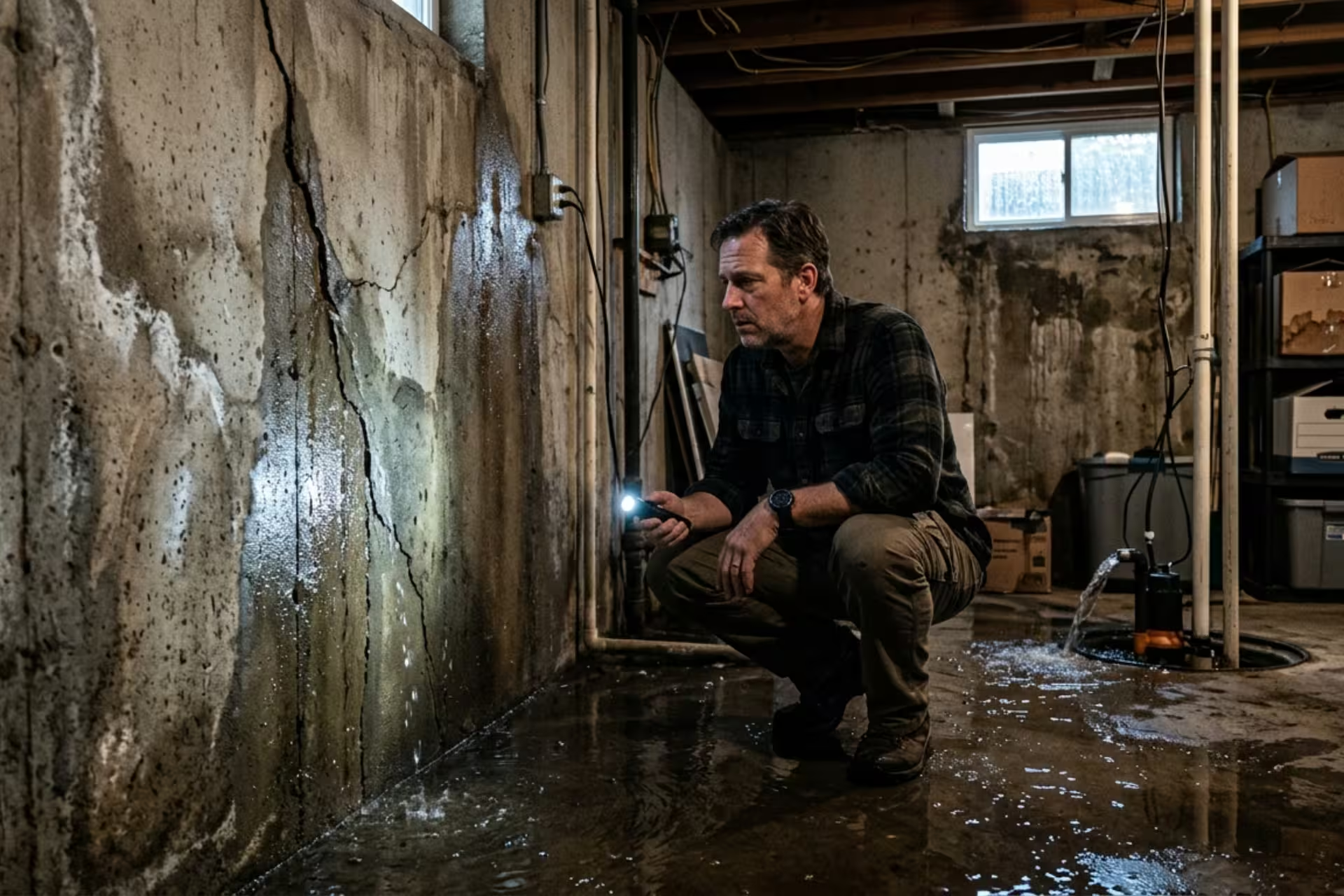
If you’ve noticed water in your basement after heavy rain, you’re not alone. Basement leaks are one of the most common problems homeowners face across New Jersey — especially due to the state’s high groundwater levels, heavy rainfall, and aging home structures.
Even a small amount of water can lead to:
- Mold growth
- Structural damage
- Unhealthy indoor air
- Costly repairs
The good news?
👉 Basement water problems can be fixed — permanently — with the right approach.
In this guide, we’ll explain:
✔ Why water enters your basement
✔ How to identify the source
✔ The best waterproofing solutions
✔ When to call a professional
Why Is Water Entering Your Basement?
Understanding the cause is the first step to fixing the problem.
1. Hydrostatic Pressure
When soil around your home becomes saturated, water pushes against your foundation walls.
This pressure forces water through:
- Cracks
- Joints
- Porous concrete
2. Foundation Cracks
Even small cracks allow water to seep inside — especially during storms.
3. Poor Drainage Around the Home
If water is not directed away properly, it pools around your foundation.
Common causes:
- Short downspouts
- Improper grading
- Clogged gutters
4. Faulty Waterproofing
Older homes often lack proper waterproofing systems.
5. Window Well Leaks
Basement windows can allow water to enter if not sealed or drained correctly.
6. High Groundwater Levels
Certain NJ areas naturally have higher water tables, increasing leak risk.
Signs You Have a Basement Water Problem
Watch for these warning signs:
- Damp or wet walls
- Musty odor
- Mold or mildew
- Water stains
- Peeling paint
- White residue (efflorescence)
- Puddles or pooling water
- Rusting appliances
How to Stop Basement Water — Best Solutions
1. Fix Foundation Cracks
Cracks are direct entry points for water.
Solutions:
- Epoxy injection (structural repair)
- Urethane injection (waterproof sealing)
2. Install Interior French Drains
This system collects water and redirects it away from your foundation.
Benefits:
✔ Reduces pressure
✔ Prevents flooding
✔ Long-term solution
3. Install a Sump Pump
A sump pump removes water automatically.
Ideal for:
- Frequent leaks
- Flood-prone basements
4. Exterior Waterproofing
The most effective solution.
Includes:
- Excavation
- Waterproof membrane
- Drainage system
Stops water before it reaches your foundation.
Improve Drainage Around Your Home
Simple fixes can make a big difference:
- Extend downspouts
- Clean gutters
- Adjust grading
- Install drainage channels
6. Apply Waterproof Sealants
Sealants protect walls from moisture penetration.
Best used with other solutions.
Interior vs Exterior Waterproofing (Which Is Better?)
| Type | Best For | Cost | Effectiveness |
| Interior | Mild leaks | Lower | Good |
| Exterior | Severe issues | Higher | Best |
👉 Best approach: Combine both for long-term protection.
Temporary Fixes to Avoid
These solutions only mask the problem:
🚫 Waterproof paint
🚫 DIY crack fillers
🚫 Ignoring minor leaks
👉 These often fail and lead to bigger issues.
Cost of Basement Waterproofing in New Jersey
Average costs:
- Crack repair: $400 – $1,200
- Interior waterproofing: $2,000 – $8,000
- Exterior waterproofing: $5,000 – $15,000+
👉 Early action saves money.
When Should You Call a Professional?
Call immediately if:
- Water enters after rain
- Cracks are visible
- Basement smells musty
- Walls are damp
- Mold appears
Why Choose On Top Masonry & Construction?
We provide:
✔ 20+ years of waterproofing experience
✔ Interior & exterior solutions
✔ Foundation repair experts
✔ Licensed & insured professionals
✔ Honest pricing
✔ Free inspections
We fix the root cause — not just the symptoms.
Final Thoughts
Water in your basement is not something to ignore. The sooner you identify and fix the issue, the more you protect your home, your health, and your investment.