Brickwork is one of the strongest and most attractive features of many homes, but the mortar between the bricks does not last forever. Over time, rain, snow, ice, sun, age, and seasonal movement can cause mortar joints to crack, crumble, wash out, or pull away from the brick. Once this happens, the masonry becomes more vulnerable to water damage.
For homeowners in New Jersey, New York, Bayonne, New Brunswick, Lakewood, Montclair, Morristown, Bridgewater, Old Bridge, Southampton Township, Toms River, and surrounding areas, brick repointing is an important repair service that helps protect chimneys, exterior walls, steps, foundations, retaining walls, and older brick features.
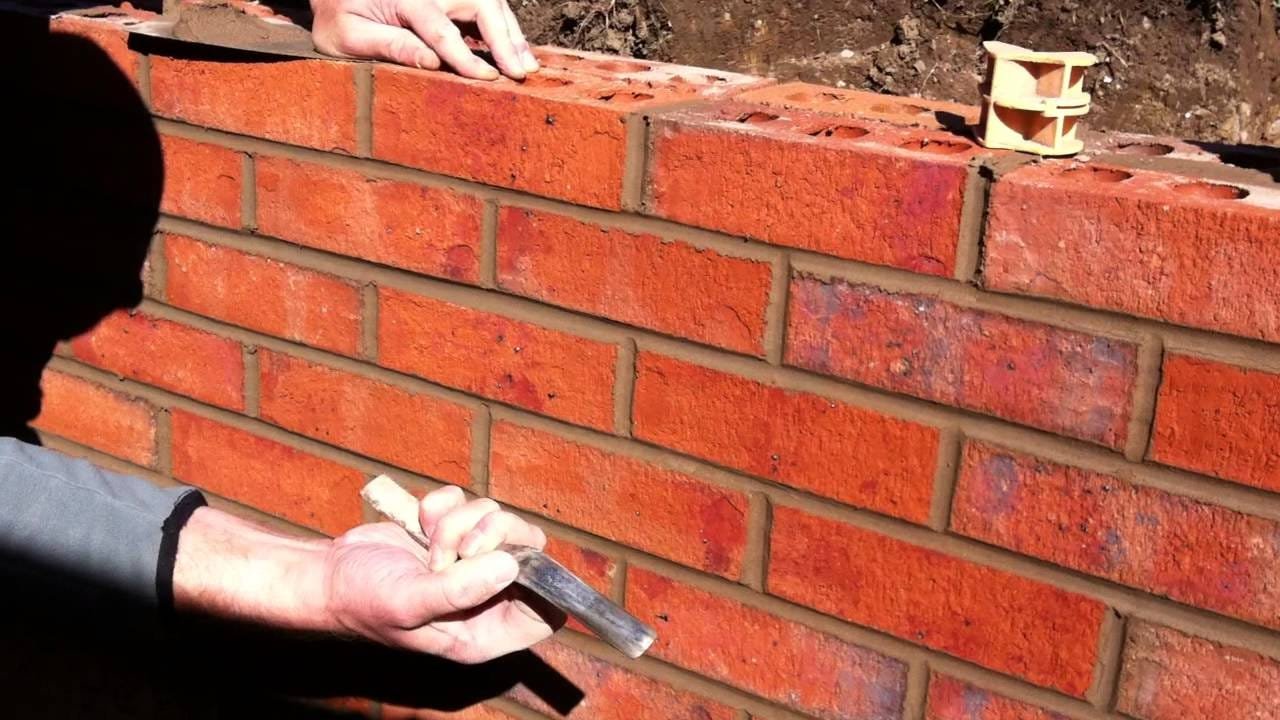
Brick repointing is the process of removing damaged mortar from between bricks and replacing it with fresh mortar. When done correctly, repointing restores strength, improves weather resistance, and helps prevent water from entering the masonry. It also improves the appearance of brickwork by making the joints look cleaner and more consistent.
In areas with cold winters and wet weather, repointing before winter is especially important. Water can enter damaged mortar joints, freeze, expand, and cause bricks to loosen, crack, or spall. Small mortar problems can turn into larger masonry repairs if they are ignored for too long.
On Top Masonry & Construction provides brick repointing, tuckpointing, mortar repair, chimney repair, masonry services, foundation repairs, and related exterior work for homes throughout New Jersey, New York, and surrounding communities.
What Is Brick Repointing?
Brick repointing is a masonry repair process used to restore damaged mortar joints. The old, loose, cracked, or failing mortar is carefully removed from between the bricks. New mortar is then applied into the joints and finished properly so the masonry is stronger and better protected.
Repointing is commonly used on:
- Brick chimneys
- Exterior brick walls
- Brick foundations
- Brick steps and stoops
- Retaining walls
- Garden walls
- Porches
- Walkways
- Older brick homes
- Brick columns and entryways
The goal is not simply to cover the damaged mortar. Proper repointing removes the weak material and replaces it with a fresh joint that bonds correctly with the surrounding masonry.
Repointing vs Tuckpointing
Many homeowners hear the terms repointing and tuckpointing used together. They are related, but they are not always exactly the same.
Repointing
Repointing focuses on repairing damaged mortar joints. It is mainly done to restore the strength and weather resistance of the brickwork.
Tuckpointing
Tuckpointing also repairs mortar joints, but it may include a more detailed finish to improve the appearance of the brickwork. It is often used where a cleaner, sharper, or more decorative look is desired.
Both services are useful for older brickwork, chimneys, walls, and foundations.
Signs Your Brickwork Needs Repointing
Mortar damage often begins slowly. Homeowners may notice small cracks or gaps before the masonry becomes loose or damaged.
Crumbling Mortar
If the mortar feels sandy, powdery, or breaks apart when touched, it is deteriorating. Crumbling mortar should be repaired before water enters deeper into the brickwork.
Gaps Between Bricks
Open gaps between bricks allow rainwater and snowmelt to enter the masonry. In winter, that moisture can freeze and expand.
Cracked Mortar Joints
Thin cracks may seem minor, but they can become larger over time. Cracked joints are one of the earliest signs that repointing may be needed.
Loose Bricks
When mortar loses its bond, bricks can begin to move. Loose bricks on chimneys, steps, walls, or foundations should be repaired quickly.
White Staining on Brickwork
White powdery staining can indicate that moisture is moving through the masonry. This is often a sign that water is entering through damaged joints.
Water Leaks Near Brick or Chimney Areas
Leaks near a chimney, basement wall, or brick exterior may be connected to failing mortar joints.
Why Repointing Is Important Before Winter
Winter weather can make damaged mortar much worse. New Jersey and New York homes often deal with freeze-thaw cycles, where water enters small cracks, freezes, expands, and pushes the masonry apart.
If mortar joints are already cracked or missing, winter can lead to:
- Wider cracks
- Loose bricks
- Spalling brick faces
- Chimney leaks
- Foundation moisture
- Damaged steps and stoops
- Retaining wall movement
- Larger repair costs in spring
Repointing before winter helps seal weak joints and reduce water entry. This is especially important for homes in Montclair, Morristown, Bayonne, New Brunswick, Lakewood, Bridgewater, Old Bridge, Southampton Township, and Toms River, where seasonal weather can be tough on exterior masonry.
Chimney Repointing in New Jersey and New York
Chimneys are one of the most common areas that need repointing because they are fully exposed to weather. Rain, snow, wind, ice, and heat from the fireplace all affect chimney mortar over time.
A chimney may need repointing if you notice:
- Missing mortar between chimney bricks
- Cracked joints near the top of the chimney
- Water leaks after rain
- White staining on the chimney
- Loose chimney bricks
- Brick spalling
- Mortar pieces on the roof
- Damp smells near the fireplace
Chimney repointing can help restore the mortar joints and reduce water penetration. However, if the chimney also has crown damage, flashing issues, or missing caps, those problems may need repair as well.
Repointing Brick Foundations
Older homes may have brick, block, or stone foundation walls with mortar joints. If the mortar begins to fail, water may enter the basement or crawl space. This can lead to damp walls, musty odors, white staining, and foundation moisture problems.
Foundation masonry may need repointing when:
- Mortar is missing between blocks or bricks
- Basement walls show damp stains
- Water enters after heavy rain
- Mortar joints look soft or recessed
- Cracks follow the mortar lines
- White powder appears on foundation walls
In some cases, foundation repointing may need to be combined with waterproofing, French drains, sump pump installation, or foundation repair.
Repointing Steps, Stoops, and Brick Walls
Brick steps, stoops, garden walls, and retaining walls are exposed to weather, foot traffic, salt, ice, and ground movement. Mortar joints in these areas often weaken over time.
These areas may need repointing if you notice:
- Loose bricks on steps
- Cracked joints on stoops
- Gaps in garden walls
- Water sitting in mortar joints
- Leaning or shifting wall sections
- Broken brick edges
- Uneven masonry surfaces
Repointing can help stabilize these features and improve safety. If bricks are badly damaged, some may need replacement before the joints are repaired.
Brick Spalling and Mortar Failure
Brick spalling happens when the face of a brick flakes, chips, or breaks apart. It is often caused by moisture entering the masonry and freezing. Damaged mortar joints are one of the main ways water gets into brickwork.
Signs of brick spalling include:
- Flaking brick faces
- Broken brick pieces near the wall or chimney
- Crumbling brick surfaces
- Rough or damaged brick texture
- Cracks through bricks
- Loose masonry sections
If spalling is caught early, brick replacement and repointing may restore the area. If the damage is widespread, more extensive masonry repair may be needed.
How Proper Repointing Is Done
Repointing requires careful preparation and skilled workmanship. The damaged mortar must be removed without damaging the surrounding bricks. The new mortar must also be compatible with the existing masonry.
The repointing process may include:
- Inspecting the brickwork
- Identifying damaged joints
- Removing loose or failing mortar
- Cleaning the joints
- Matching the mortar type and color
- Applying new mortar properly
- Finishing the joint profile
- Cleaning excess material
- Allowing proper curing
Using the wrong mortar can damage older brickwork or cause the repair to fail too soon. That is why professional repointing is important for chimneys, foundations, walls, and structural masonry.
Areas Served for Brick Repointing
On Top Masonry & Construction provides brick repointing and related masonry services across:
- New Jersey
- New York
- Bayonne, NJ
- New Brunswick, NJ
- Lakewood, NJ
- Montclair, NJ
- Morristown, NJ
- Bridgewater, NJ
- Old Bridge, NJ
- Southampton Township, NJ
- Toms River, NJ
- Surrounding New Jersey and New York communities
These areas include many homes with aging brickwork, chimney mortar damage, foundation joints, and weather-exposed masonry.
Final Thoughts
Brick repointing is one of the most important masonry maintenance services for homes in New Jersey and New York. Cracked, crumbling, or missing mortar allows water to enter the masonry, which can lead to loose bricks, chimney leaks, brick spalling, basement moisture, and structural damage.
For homeowners in Bayonne, New Brunswick, Lakewood, Montclair, Morristown, Bridgewater, Old Bridge, Southampton Township, Toms River, and surrounding areas, repointing before winter can help protect brickwork from freeze-thaw damage and costly repairs.
On Top Masonry & Construction provides tuckpointing, repointing, mortar repair, chimney repair, foundation repair, masonry services, and exterior repair solutions designed to keep homes strong, dry, and protected.