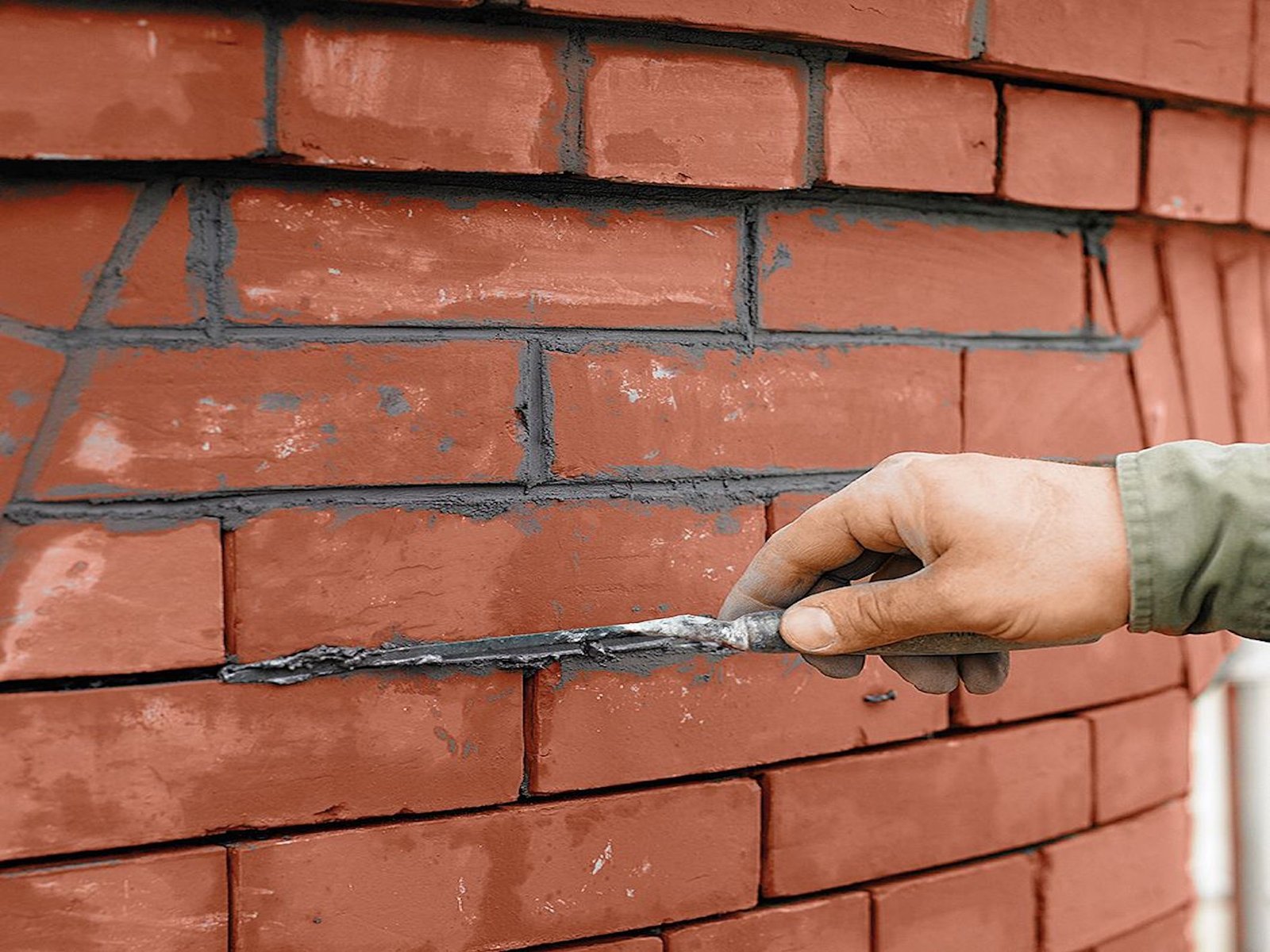
Mortar may seem like a small part of brick and stonework, but it plays a major role in keeping masonry strong, stable, and weather resistant. Mortar is the material between bricks, blocks, and stones. It holds the masonry units together, seals gaps, supports the structure, and helps protect the home from water damage.
For homeowners in New Jersey, New York, Bayonne, New Brunswick, Lakewood, Montclair, Morristown, Bridgewater, Old Bridge, Southampton Township, Toms River, and surrounding areas, mortar repair is an important service for protecting chimneys, brick walls, foundations, steps, patios, retaining walls, and exterior masonry.
Over time, mortar can crack, crumble, wash out, or pull away from surrounding brick and stone. This often happens because of age, moisture, heavy rain, snow, freeze-thaw cycles, poor drainage, or previous repairs done with the wrong materials. Once mortar begins to fail, water can enter the masonry. That water can cause brick spalling, chimney leaks, loose stones, foundation moisture, and larger structural problems.
On Top Masonry & Construction provides mortar repair, tuckpointing, repointing, masonry services, chimney repair, foundation repairs, basement waterproofing, and related exterior services for homes throughout New Jersey, New York, and surrounding communities.
Why Mortar Repair Is Important
Mortar helps protect masonry from water, movement, and weather exposure. When it fails, the structure becomes more vulnerable. Cracked or missing mortar leaves open spaces where rainwater, snowmelt, and moisture can enter.
Mortar repair helps:
- Restore strength to brick, block, and stonework
- Reduce water entry
- Prevent loose bricks and stones
- Improve exterior appearance
- Protect chimneys from leaks
- Support foundation masonry
- Reduce freeze-thaw damage
- Extend the life of masonry structures
- Prevent more expensive repairs later
In areas such as Montclair, Morristown, Bayonne, New Brunswick, Lakewood, Bridgewater, Old Bridge, Southampton Township, and Toms River, seasonal weather can quickly make mortar damage worse. Repairing joints early helps protect the home before water damage spreads.
Signs Your Mortar Needs Repair
Mortar damage often starts small. Homeowners may notice a few cracked joints or gaps before larger masonry problems appear.
Crumbling Mortar
If the mortar feels sandy, powdery, soft, or falls out when touched, it is deteriorating. Crumbling mortar is one of the clearest signs that repair is needed.
Gaps Between Bricks or Stones
Open gaps allow water to enter the masonry. These gaps can grow larger after rain, snow, and freezing weather.
Cracked Mortar Joints
Small cracks may seem harmless, but they create a path for moisture. During winter, water inside the cracks can freeze and expand.
Recessed Mortar
If mortar has worn back deeper than the face of the brick or stone, it may no longer be protecting the masonry properly.
Loose Bricks or Stones
When mortar loses strength, bricks or stones can begin to move. Loose masonry should be repaired before it becomes unsafe.
White Staining on Masonry
White powdery staining can indicate that moisture is moving through brick, block, stone, or concrete. This is often a warning sign of water entering through damaged joints.
What Causes Mortar to Fail?
Mortar failure can happen for several reasons. In many homes, moisture and age are the biggest causes. However, poor drainage, incorrect previous repairs, and weather exposure can speed up deterioration.
Common causes of mortar failure include:
- Heavy rain and moisture exposure
- Freeze-thaw cycles
- Aging masonry
- Poor exterior drainage
- Water sitting near foundations or walls
- Incorrect mortar used in past repairs
- Chimney exposure to weather
- Foundation movement
- Soil pressure
- Poor original workmanship
- Lack of maintenance
Mortar naturally wears down over time, but once water enters the joints, deterioration usually speeds up.
Mortar Repair vs Repointing
Mortar repair and repointing are closely connected. In many cases, when a homeowner needs mortar repair, repointing is the proper method.
Mortar Repair
Mortar repair is a general term for fixing damaged joints between bricks, blocks, or stones. It may include patching small areas or repairing limited cracks.
Repointing
Repointing involves removing damaged mortar from the joints and replacing it with fresh mortar. It is usually recommended when mortar has deteriorated beyond the surface.
Tuckpointing
Tuckpointing repairs mortar joints while also improving the finished appearance of the masonry. It is often used when clean, detailed joint lines are important.
Chimney Mortar Repair in New Jersey and New York
Chimneys often need mortar repair because they are fully exposed to weather. Rain, snow, wind, ice, and heat from the fireplace can all affect chimney mortar.
A chimney may need mortar repair if you notice:
- Crumbling chimney joints
- Water leaks near the fireplace
- Loose chimney bricks
- White staining on chimney brickwork
- Cracked mortar near the top of the chimney
- Brick spalling
- Mortar pieces on the roof
- Gaps between chimney bricks
Damaged chimney mortar allows water to enter the chimney structure. This can lead to leaks, damaged bricks, crown problems, and interior moisture.
For homes in Bayonne, New Brunswick, Lakewood, Montclair, Morristown, Bridgewater, Old Bridge, Southampton Township, and Toms River, chimney mortar should be checked before winter because freeze-thaw weather can make cracks worse.
Foundation Mortar Repair
Many older homes in New Jersey and New York have brick, block, or stone foundation walls with mortar joints. If those joints weaken, water may enter the basement or the wall may lose stability.
Foundation mortar problems may show as:
- Cracks following mortar lines
- Damp basement walls
- Water seepage after rain
- White powder on foundation walls
- Loose blocks or stones
- Gaps in masonry joints
- Bowing or movement in wall sections
Foundation mortar repair may need to be combined with waterproofing or drainage solutions if water pressure is causing the damage.
Mortar Damage and Brick Spalling
Brick spalling happens when the surface of a brick flakes, chips, or breaks apart. It is often caused by moisture entering the masonry and freezing. Damaged mortar joints are one of the most common ways water gets into brickwork.
Signs of brick spalling include:
- Flaking brick surfaces
- Broken brick pieces near the wall or chimney
- Soft or crumbling brick faces
- Rough brick texture
- Cracks through bricks
- Loose masonry sections
If mortar damage is repaired early, it may help prevent spalling from spreading. If bricks are already badly damaged, brick replacement may be needed along with mortar repair.
Mortar Repair for Steps, Stoops, Patios, and Walls
Mortar joints in steps, stoops, patios, walkways, and garden walls often wear down because of foot traffic, rain, ice, salt, and ground movement.
These areas may need repair if you notice:
- Loose bricks on steps
- Cracked joints in stoops
- Gaps between stones
- Water sitting in joints
- Uneven walking surfaces
- Worn mortar along edges
- Movement in brick or stonework
- Cracked patio or wall joints
Repairing mortar in these areas improves both appearance and safety. Loose masonry near an entrance should be handled quickly because it can become a trip hazard.
Why the Right Mortar Mix Matters
Not all mortar is the same. Some mortar is harder, while some is softer and more flexible. Older brickwork may need a different mortar type than newer construction. Using the wrong mortar can damage the surrounding masonry or cause the repair to fail too soon.
The wrong mortar can lead to:
- Cracking
- Poor bonding
- Brick damage
- Moisture trapping
- Uneven appearance
- Premature failure
- Damage to older masonry
A professional masonry contractor should choose mortar that is compatible with the existing brick, stone, or block. The repair should be strong, but it should not be so hard that it damages the surrounding material.
Why Mortar Repair Should Not Be Delayed
Damaged mortar usually gets worse over time. Once joints are open, water continues entering and spreading through the masonry. Rain, snow, ice, and freeze-thaw cycles can quickly turn small joint damage into larger masonry problems.
Delaying mortar repair can lead to:
- Loose bricks
- Larger cracks
- Water leaks
- Chimney damage
- Foundation moisture
- Basement leaks
- Brick spalling
- Structural weakening
- More expensive repairs
- Poor curb appeal
Early repair is usually more affordable than rebuilding larger sections of masonry later.
Areas Served for Mortar Repair
On Top Masonry & Construction provides mortar repair and related masonry services across:
- New Jersey
- New York
- Bayonne, NJ
- New Brunswick, NJ
- Lakewood, NJ
- Montclair, NJ
- Morristown, NJ
- Bridgewater, NJ
- Old Bridge, NJ
- Southampton Township, NJ
- Toms River, NJ
- Surrounding New Jersey and New York communities
These areas include homes with aging brickwork, chimney mortar damage, foundation joints, patios, steps, stonework, and weather-exposed masonry.
Final Thoughts
Mortar repair is one of the most important ways to protect brick, block, and stone masonry. Crumbling mortar, cracked joints, gaps, white staining, loose bricks, chimney leaks, and basement moisture are all warning signs that the masonry needs attention.
For homeowners in New Jersey, New York, Bayonne, New Brunswick, Lakewood, Montclair, Morristown, Bridgewater, Old Bridge, Southampton Township, Toms River, and surrounding areas, mortar repair can help prevent water entry, brick damage, foundation moisture, and costly rebuilding later.
On Top Masonry & Construction provides mortar repair, tuckpointing, repointing, masonry services, chimney repair, foundation repairs, basement waterproofing, and exterior repair solutions designed to protect homes through every season.