
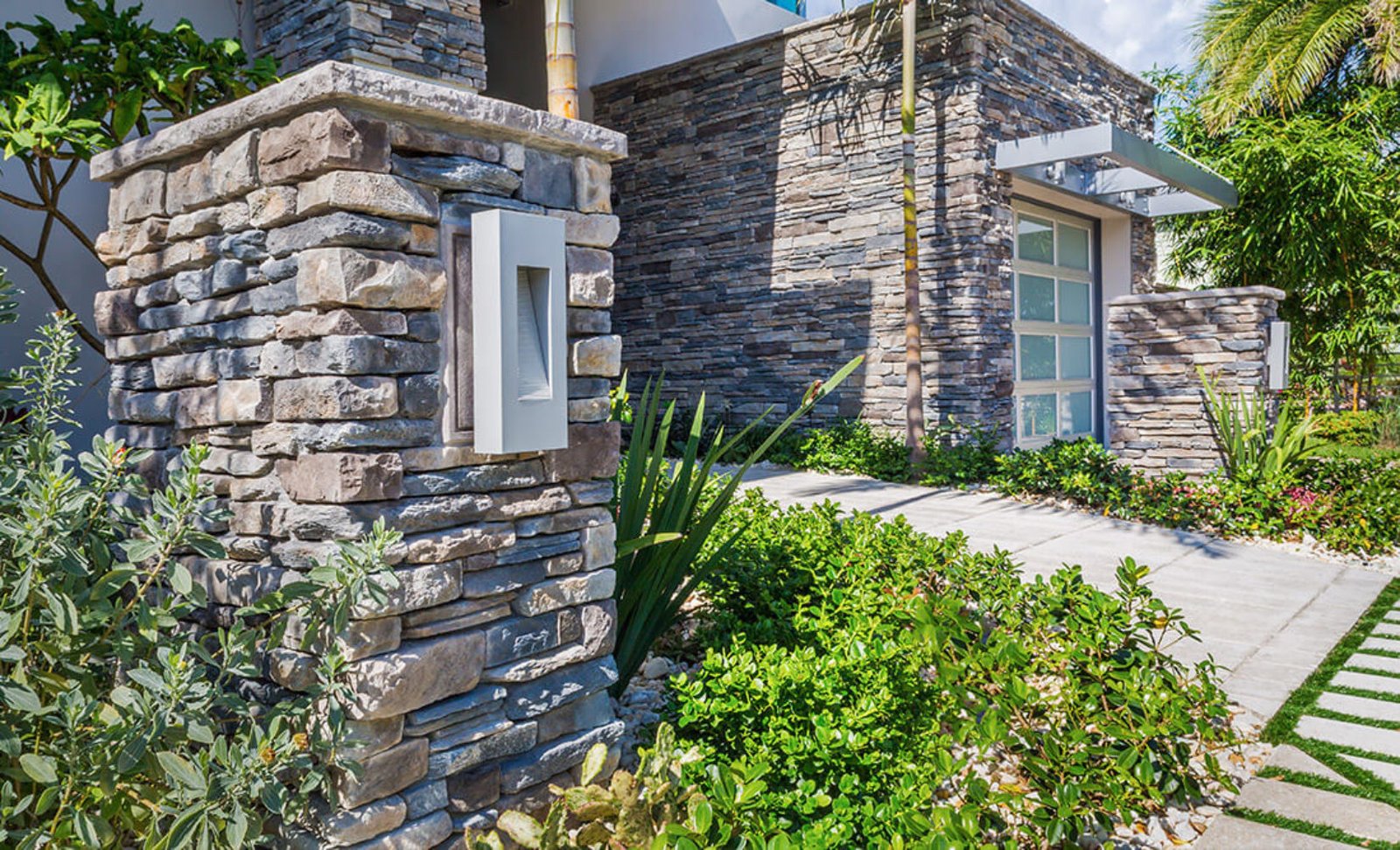
Stone masonry is one of the most durable and attractive ways to improve a home’s exterior. Whether used for patios, steps, walkways, retaining walls, garden walls, stone veneer, entryways, or outdoor features, stone adds strength, character, and long-lasting curb appeal. For homeowners in New Jersey, New York, Bayonne, New Brunswick, Lakewood, Montclair, Morristown, Bridgewater, Old Bridge, Southampton Township, Toms River, and surrounding areas, stone masonry can improve both the look and function of the property.
Stone has a timeless appearance that works well with many home styles. It can add a natural finish to traditional homes, improve outdoor living areas, support sloped landscapes, and create strong entry features. However, stone masonry must be installed correctly. Poor base preparation, weak mortar, poor drainage, or improper construction can lead to loose stones, cracked joints, sinking patios, leaning walls, and water problems.
New Jersey and New York homes face heavy rain, snow, ice, humidity, freeze-thaw cycles, and soil movement. These conditions can affect stonework over time. That is why professional installation and repair are important for patios, walls, walkways, steps, and other exterior stone features.
On Top Masonry & Construction provides stone masonry, masonry services, patio installation, steps repair and installation, mortar repair, foundation repairs, French drain installation, basement waterproofing, and related exterior services across New Jersey, New York, and nearby communities.
What Is Stone Masonry?
Stone masonry is the construction or repair of structures using natural or manufactured stone. Depending on the project, the stone may be installed with mortar, dry-laid, or applied as a veneer over another surface.
Stone masonry can be used for:
- Stone patios
- Walkways
- Outdoor steps
- Retaining walls
- Garden walls
- Stone veneer
- Entry columns
- Fire pits
- Outdoor fireplaces
- Foundation accents
- Decorative borders
- Masonry repairs
Stone is valued because it is strong, attractive, and long-lasting when installed properly. It can also blend beautifully with brick, concrete, asphalt, siding, landscaping, and other exterior materials.
Benefits of Stone Masonry for NJ and NY Homes
Stone masonry offers both beauty and practical value. It can improve curb appeal while also adding useful outdoor features that make the property more enjoyable.
Stone masonry can help:
- Improve curb appeal
- Add durable outdoor features
- Create stronger patios and walkways
- Support landscape areas
- Add natural texture and character
- Increase property value
- Improve outdoor entertainment areas
- Create strong steps and entrances
- Blend well with brick, asphalt, and landscaping
- Improve the overall appearance of the home exterior
In areas such as Montclair, Morristown, Bridgewater, Old Bridge, Lakewood, Bayonne, New Brunswick, Southampton Township, and Toms River, stone masonry is useful for both decorative and functional exterior improvements.
Popular Stone Masonry Projects
Stone masonry can be used in many areas around a home. The best project depends on the property layout, design goals, drainage needs, and existing exterior features.
Stone Patios
A stone patio creates a natural outdoor space for seating, dining, grilling, and relaxing. Popular stone patio materials include flagstone, bluestone, limestone, slate, and fieldstone.
A properly installed stone patio should include a strong base and correct drainage so the stones do not shift, sink, or hold water.
Stone Walkways
Stone walkways can connect driveways, entrances, patios, gardens, and side yards. They improve access while adding a more finished look to the property.
Walkways should be level, secure, and designed to drain properly. Loose or uneven stones can become a trip hazard, especially during rain or winter weather.
Stone Steps
Stone steps create a strong and attractive entrance, but they must be properly supported. Steps that are loose, uneven, cracked, or sinking can become unsafe.
Stone Retaining Walls
Retaining walls help hold soil in place, create level outdoor areas, and improve landscape structure. Stone retaining walls must be built with proper drainage because water pressure behind the wall can cause leaning or cracking.
Stone Veneer
Stone veneer can be installed on exterior walls, foundations, fireplaces, columns, and entryways to create the appearance of stone masonry. It is a popular way to improve the look of a home without building a full stone wall.
Stone Patios and Outdoor Living Spaces
A stone patio can transform a backyard into a more useful and attractive outdoor area. Whether the homeowner wants a small seating space or a larger entertainment area, stone provides a natural finish that feels solid and permanent.
Stone patios are often used for:
- Outdoor dining areas
- Fire pit spaces
- Backyard seating
- Garden patios
- Poolside areas
- Outdoor kitchens
- Walkway connections
- Multi-level patio designs
For homes in New Jersey and New York, patio installation must account for seasonal ground movement and drainage. If the base is not prepared correctly, the patio may shift, settle, or become uneven over time.
Stone Walkways and Front Entrances
A front walkway is one of the most visible parts of the home exterior. It guides visitors from the driveway or sidewalk to the entrance. Stone walkways can make the entrance feel more welcoming while improving safety and curb appeal.
Stone walkways can improve:
- Front entrances
- Garden paths
- Side yard access
- Backyard connections
- Driveway-to-door access
- Patio connections
- Curb appeal
If a walkway is uneven, loose, or holding water, repair may be needed. Poor drainage can cause stones to shift, mortar to crack, and the surface to become unsafe.
Stone Steps and Stoops
Stone steps and stoops are exposed to daily foot traffic, rain, snow, ice, salt, and freeze-thaw conditions. Because of this, they need strong construction and proper drainage.
Stone steps may need repair if you notice:
- Loose stones
- Cracked mortar
- Uneven risers
- Wobbling steps
- Water sitting on the treads
- Gaps between stones
- Sinking or shifting
- Broken edges
Damaged steps should be repaired quickly because they can become a safety hazard. Repairs may include resetting stones, replacing damaged pieces, repairing mortar, improving the base, or correcting drainage.
Stone Retaining Walls and Drainage
Stone retaining walls are both attractive and useful, but they must be built to handle soil pressure and water. When water builds up behind a retaining wall, pressure increases. Without proper drainage, the wall may begin to lean, crack, bulge, or fail.
Signs a retaining wall needs attention include:
- Leaning wall sections
- Cracked mortar
- Loose stones
- Soil washing out
- Water collecting behind the wall
- Bulging or movement
- Gaps between stones
- Sinking at the base
Drainage is one of the most important parts of retaining wall construction. Depending on the property, drainage stone, weep holes, proper backfill, or a French drain may be needed.
Stone Masonry Repair
Stone masonry can last for many years, but it may eventually need repair due to weather, water, age, soil movement, or poor previous workmanship. Repairing damage early can help prevent larger reconstruction later.
Common stone masonry repairs include:
- Repointing mortar joints
- Resetting loose stones
- Rebuilding damaged wall sections
- Repairing steps
- Replacing cracked stones
- Fixing leaning walls
- Improving drainage
- Repairing stone veneers
- Rebuilding patio sections
- Repairing walkway settlement
Stone repair should match the existing material as closely as possible. The goal is to restore strength while keeping the finished appearance natural.
Why Mortar Matters in Stone Masonry
Mortar plays a major role in many stone masonry projects. It holds stones in place, seals gaps, and helps the structure resist water and movement. When mortar fails, stones can loosen and water can enter.
Signs of mortar problems in stonework include:
- Cracked joints
- Missing mortar
- Loose stones
- Water entering through gaps
- White staining
- Uneven joints
- Crumbling mortar
- Stones pulling away from the structure
Repairing mortar early can help prevent larger stone repairs later. If the damage is widespread, full repointing may be needed.
Drainage and Stone Masonry
Water is one of the biggest causes of masonry damage. Stone patios, steps, walkways, and walls all need proper drainage to last. If water sits under or behind stonework, it can cause movement, cracking, and settlement.
Poor drainage can cause:
- Patio settlement
- Loose stones
- Cracked mortar
- Retaining wall pressure
- Icy walkways
- Foundation moisture
- Soil erosion
- Water stains
- Masonry movement
If stonework is directing water toward the foundation, it can also contribute to basement leaks or foundation problems. In these cases, drainage improvements may be needed along with masonry repair.
Stone Masonry and Asphalt Driveway Connections
Stonework often connects with driveways, walkways, retaining walls, and front entrances. If driveway water flows toward stone steps or walls, it can damage mortar joints and create icy surfaces in winter.
Common issues include:
- Water collecting between driveway and walkway
- Driveway runoff reaching stone steps
- Pavers or stones shifting near asphalt edges
- Erosion along stone borders
- Ice buildup around entrance areas
- Drainage problems near the foundation
When stone masonry and driveway areas are planned together, the result is usually stronger and safer.
Choosing the Right Stone Masonry Contractor
Stonework should be handled by a contractor who understands both appearance and structure. The finished project should look good, but it also needs to be properly supported, drained, and built for local weather.
Before hiring a stone masonry contractor, homeowners should consider:
- Does the contractor have experience with patios, walls, steps, and repairs?
- Do they understand drainage and base preparation?
- Can they match existing stonework?
- Do they inspect the cause of damage before repairing it?
- Can they handle related masonry and waterproofing concerns?
- Do they explain material options clearly?
- Do they provide a written estimate?
- Do they understand New Jersey and New York weather conditions?
A good contractor should recommend work that fits the home’s structure, style, and long-term needs.
Areas Served for Stone Masonry
On Top Masonry & Construction provides stone masonry and related exterior services across:
- New Jersey
- New York
- Bayonne, NJ
- New Brunswick, NJ
- Lakewood, NJ
- Montclair, NJ
- Morristown, NJ
- Bridgewater, NJ
- Old Bridge, NJ
- Southampton Township, NJ
- Toms River, NJ
- Surrounding New Jersey and New York communities
These areas include homes with patios, steps, walkways, retaining walls, veneers, masonry repairs, and outdoor stone features.
Final Thoughts
Stone masonry is a strong and attractive way to improve a home’s exterior. Stone patios, walkways, steps, retaining walls, veneers, and repairs can add beauty, function, and long-term value when they are installed correctly.
For homeowners in New Jersey, New York, Bayonne, New Brunswick, Lakewood, Montclair, Morristown, Bridgewater, Old Bridge, Southampton Township, Toms River, and surrounding areas, stone masonry should be built with proper base preparation, drainage, material selection, and skilled workmanship. A beautiful stone project will only last if the structure underneath it is strong.
On Top Masonry & Construction provides stone masonry, patio installation, steps repair, masonry services, mortar repair, foundation repairs, basement waterproofing, French drain installation, and exterior improvements designed to protect and improve the property.