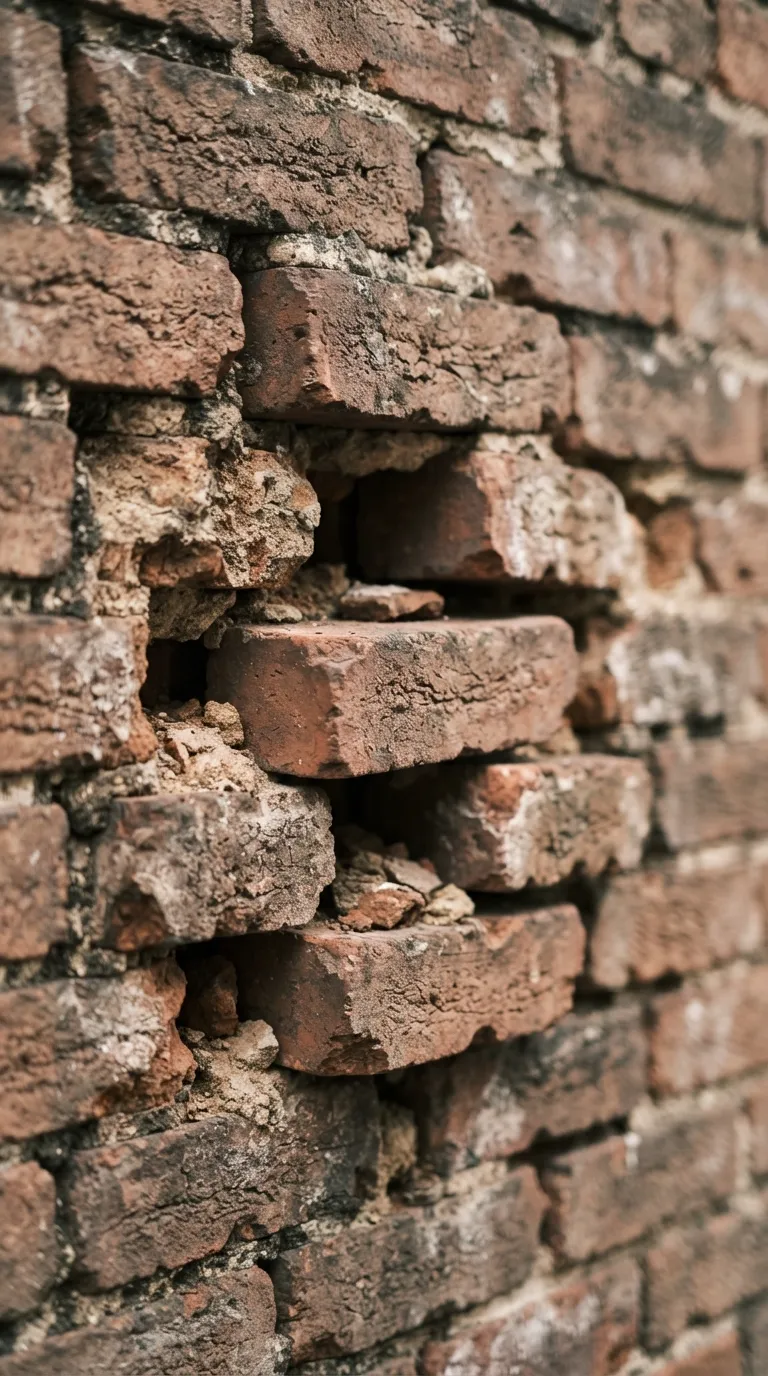
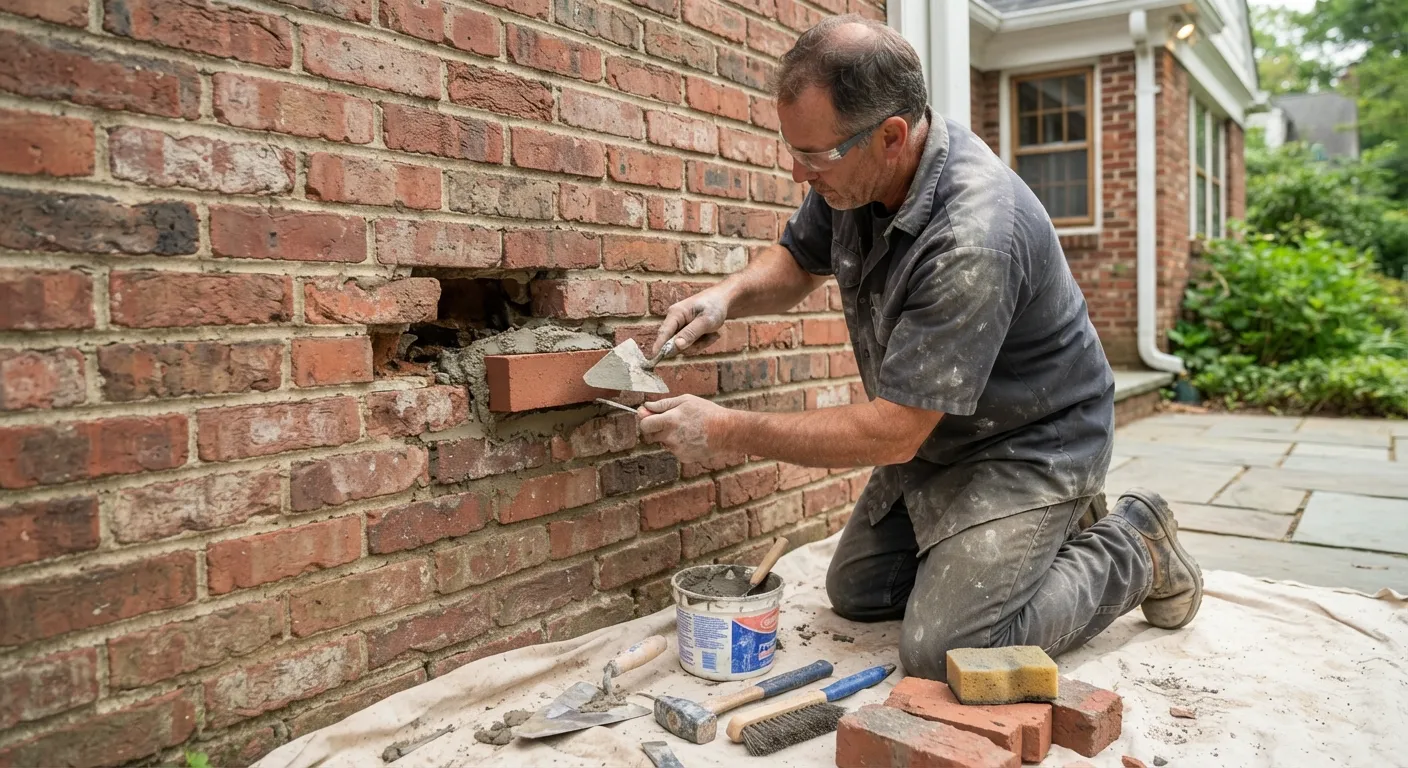
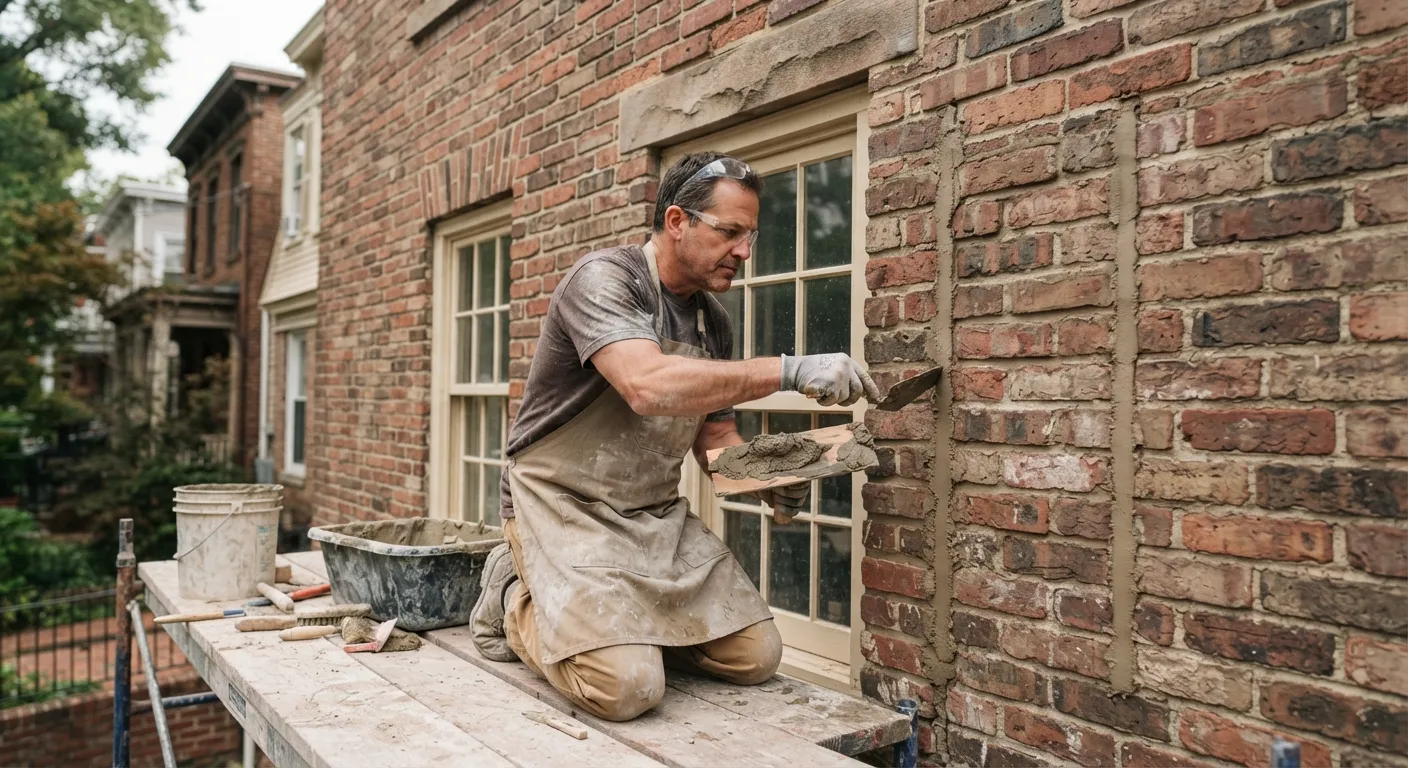
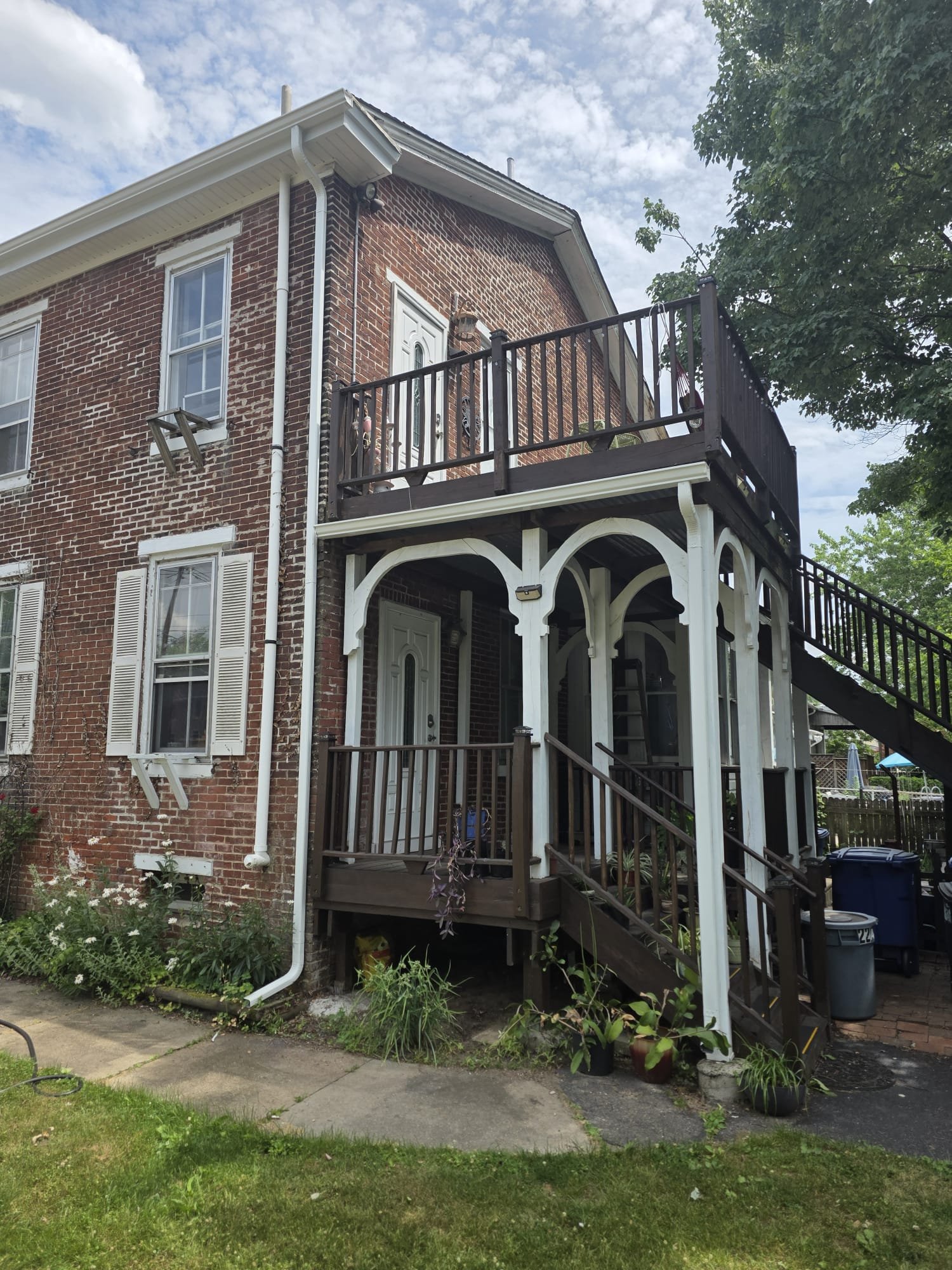
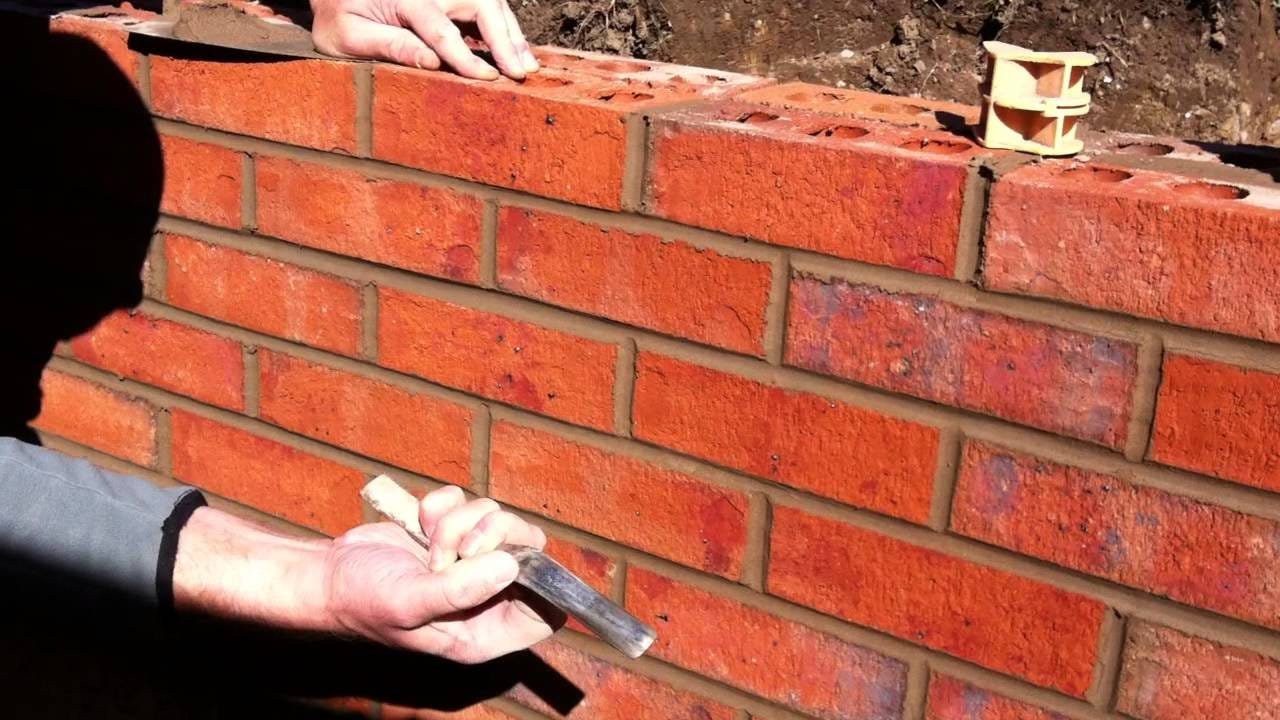
Mortar joints are the first part of a brick wall to wear out. Once they crack and crumble, water gets into the wall and the bricks start to fail. We rake out the damaged mortar, repoint the joints with mortar matched to your brick, and repair or replace damaged bricks.
Repointing for brick walls, chimneys, steps and garden walls, after a free inspection.
Mortar matched in colour and texture, so the repair blends with the original brickwork.
Tell us about the brickwork and we will arrange a free inspection.
Brick Pointing Explained
What Is Brick Pointing & Why Does It Matter?
Repointing, also called pointing, is the repair of mortar joints. The old, failing mortar is removed to a set depth and replaced with new mortar, then the joints are finished to match the wall. Tuckpointing is a related finish that adds a fine contrasting line for appearance. For the full difference, read repointing vs tuckpointing.
Benefits of professional brick pointing
Stops water leaks
Prevents interior moisture & mold
Strengthens brick walls
Improves structural safety
Extends lifespan of masonry
Restores original appearance
Protects against freeze–thaw damage
Enhances home value
Old, deteriorated mortar can compromise the entire structure — repointing is essential maintenance for all brick homes and buildings in New Jersey.
Water in the joints freezes, expands and breaks the mortar apart a little more each winter.
Rain and Humidity
Driving rain and damp summers keep walls wet, washing out weak mortar over time.
Earlier Repairs With the Wrong Mortar
Mortar that is harder than the brick traps moisture and pushes damage into the brick face instead of the joint.
Salt Near the Coast
Salt in the air and from de-icing builds up in the masonry and breaks down mortar and brick faces.
Our Brickwork Solutions in New Jersey
Brick Repair and Brick Replacement
Repointing fixes the joints. Where the bricks themselves are damaged, we repair or replace them as part of the same job.
Brick work may include
Replacing cracked, spalled or broken bricks
Resetting loose bricks
Matching replacement brick to the existing wall
Rebuilding small sections that have come loose
Where a wall is cracking because the structure behind it is moving, we deal with that first, because new mortar will crack again if the movement continues.
Many older New Jersey homes are built with softer brick than modern construction. Repointing them with a hard modern mortar can crack and spall the brick around the joint.
On older brickwork we
Match the new mortar to the strength of the original
Match colour and texture so the repair blends in
Remove old mortar carefully so brick edges are not damaged
Copy the original joint profile
Done this way, repointing protects the original brick instead of shortening its life.
Trustindex verifies that the original source of the review is Google.
on top masonry and construction and their team did an amazing job on my crawl space i definitely recommend their services very great people
Posted on Google
Gregory Clark
Trustindex verifies that the original source of the review is Google.
They performed great work in my crawl space.
Posted on Google
Ahmad Henderson
Trustindex verifies that the original source of the review is Google.
These guys did my basement really good and I would love to have them back for more business. I would recommend these guys to anyone.
Posted on Google
Danven
Trustindex verifies that the original source of the review is Google.
Did such a great job with my basement , I would recommend him to everyone.
Posted on Google
Marion Navarro
Trustindex verifies that the original source of the review is Google.
Great experience!!! 100% will do business again
Posted on Google
Mohammad Abuhadba
Trustindex verifies that the original source of the review is Google.
Excellent construction company—professional, reliable, and efficient. The team delivered high-quality work on time, communicated clearly throughout the project, and paid great attention to detail. Highly recommended.
Posted on Google
Kamlesh Gajjar
Trustindex verifies that the original source of the review is Google.
Good mortar usually lasts several decades. Walls that face the weather, chimneys and steps tend to need it sooner. An inspection shows whether you need a full repoint or only the worst areas.
Mortar needs temperatures above freezing to cure properly, so most repointing is done from spring to fall. Urgent repairs can be done in mild spells with the right precautions.