
Basement water problems can happen quickly during heavy rain, snowmelt, or storms. One day the basement may seem dry, and the next day water may appear on the floor, around the wall edges, or near foundation cracks. For homeowners in New Jersey, New York, Bayonne, New Brunswick, Lakewood, Montclair, Morristown, Bridgewater, Old Bridge, Southampton Township, Toms River, and surrounding areas, sump pump installation can be an important part of protecting the home from flooding and moisture damage.
A sump pump is designed to collect and remove water before it spreads across the basement. It is commonly used with basement waterproofing systems, French drains, and foundation drainage repairs. When water enters or collects below the basement floor, the sump pump moves that water away from the home through a discharge line.
Many homes in New Jersey and New York deal with water pressure around the foundation because of rain, wet soil, poor drainage, older masonry walls, low-lying yards, and changing seasonal weather. If the basement does not have a reliable way to remove collected water, moisture can damage flooring, walls, stored belongings, insulation, and foundation materials.
On Top Masonry & Construction provides sump pump installation, basement waterproofing, French drain installation, foundation repairs, masonry services, and exterior drainage solutions for homes throughout New Jersey, New York, and nearby communities.
What is a Sump Pump?
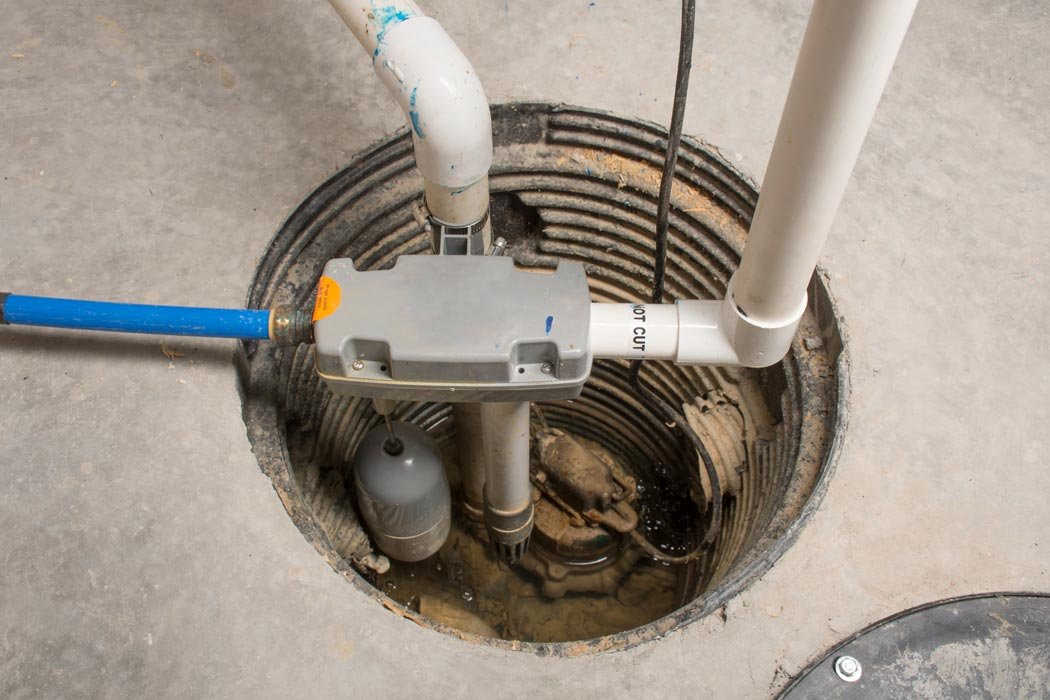
A sump pump is a water removal system installed in a sump pit, usually at the lowest point of the basement or crawl space. When water collects in the pit, the pump activates and moves the water away from the house.
A typical sump pump system may include:
- A sump pit or basin
- A pump unit
- A float switch
- A discharge pipe
- A check valve
- A drainage connection
- Optional battery backup
- Interior drain or French drain connection
The purpose of the system is to prevent basement water from rising and spreading. A sump pump does not stop rain from falling or soil from becoming wet, but it gives collected water a controlled path out of the home.
Why Sump Pumps Are Important for NJ and NY Homes
Homes in New Jersey and New York often experience heavy rain, storms, snowmelt, and changing groundwater conditions. When water collects around the foundation, pressure builds against basement walls and floors. If the foundation has cracks, weak mortar joints, porous block, or floor-wall gaps, water may enter the basement.
A sump pump helps protect against:
- Basement flooding
- Water-damaged flooring
- Musty basement odors
- Mold and mildew growth
- Foundation moisture
- Damage to stored belongings
- Damp walls and floor edges
- Water collecting after storms
- Costly cleanup after flooding
In areas such as Bridgewater, Old Bridge, Lakewood, Toms River, Southampton Township, Montclair, Morristown, Bayonne, and New Brunswick, homes may have different drainage needs depending on soil, elevation, foundation type, and the age of the property.
Signs Your Home May Need a Sump Pump
Not every basement has a sump pump, but many homes can benefit from one if water is a recurring concern.
Water Appears on the Basement Floor
If water appears after heavy rain, snowmelt, or storms, the basement may need an active water removal system. Even small puddles can be a warning sign.
Basement Flooding Has Happened Before
A basement that has flooded once is more likely to flood again if the cause is not corrected. Sump pump installation can help reduce future damage.
Water Enters at the Wall-Floor Joint
Water often enters where the basement wall meets the floor. This can happen when pressure builds beneath or around the basement.
The Basement Smells Damp or Musty
A damp smell may mean moisture is present even if water is not visible. A sump pump may be part of the solution if water is collecting below the basement floor.
The Home Has a French Drain System
Many French drain systems need a sump pump to remove the collected water. Without a pump, the water may have nowhere safe to go.
The Existing Pump Is Old or Unreliable
If the sump pump makes noise, runs constantly, fails to activate, or cannot keep up during storms, replacement may be needed.
Sump Pumps and Basement Waterproofing
Sump pump installation is often part of a larger basement waterproofing plan. A sump pump removes water, but it may need to work with other repairs to fully protect the basement.
A complete waterproofing plan may include:
- Sump pump installation
- French drain installation
- Foundation crack repair
- Interior drainage systems
- Wall waterproofing
- Exterior grading correction
- Gutter and downspout improvements
- Masonry repair
- Mortar repair
If water is entering through foundation cracks or masonry joints, those areas should also be repaired. A sump pump can remove collected water, but it does not repair damaged foundation walls.
French Drains and Sump Pumps Work Together
A French drain collects water and directs it toward a sump pit. The sump pump then removes that water from the basement area and sends it away from the home.
This combination is useful when:
- Basement leaks happen during storms
- Water enters at the wall-floor joint
- Soil around the foundation stays wet
- Hydrostatic pressure affects the basement
- Water needs to be collected and actively removed
- The property has poor natural drainage
For many homes in New Jersey and New York, a French drain and sump pump system can be more effective together than either solution alone.
Sump Pump Installation and Foundation Protection
A sump pump can help protect the foundation by removing water that collects around or under the basement. However, if the foundation has visible cracks, bowing walls, or masonry damage, those issues should be inspected as well.
Foundation warning signs include:
- Basement wall cracks
- Water stains on foundation walls
- Bowing or leaning walls
- Stair-step cracks in block walls
- White powder on masonry
- Damp foundation corners
- Cracks around basement windows
- Water entering after heavy rain
Sump pumps help manage water, but foundation repairs may be needed if structural damage is present.
Types of Sump Pumps
The right sump pump depends on the basement conditions and water volume.
Submersible Sump Pumps
A submersible sump pump sits inside the sump pit and operates underwater. These pumps are commonly used in residential basements because they are efficient and quieter than some other options.
Pedestal Sump Pumps
A pedestal pump has the motor positioned above the pit. These pumps can be easier to access for maintenance, but they may be more visible and louder.
Battery Backup Sump Pumps
A battery backup pump provides protection if the power goes out during a storm. This can be important because power outages and heavy rain often happen at the same time.
Combination Pump Systems
Some homes use a primary sump pump with a backup system for added protection during heavy rain, pump failure, or power loss.
Sump Pump Discharge: Where the Water Goes Matters
A sump pump is only effective if the discharge line directs water to the right place. If water is pumped too close to the foundation, it can flow back toward the home and create the same problem again.
A proper discharge setup should:
- Move water away from the foundation
- Avoid draining toward neighboring properties
- Avoid creating icy walkways in winter
- Stay clear of basement windows
- Prevent water from returning to the sump pit
- Follow safe drainage practices
- Protect nearby patios, driveways, and walkways
Drainage planning is very important in towns such as Toms River, Southampton Township, Bridgewater, Old Bridge, Lakewood, and Morristown, where property layouts and soil conditions can vary widely.
Common Sump Pump Problems
Even a good sump pump can fail if it is old, clogged, undersized, or poorly installed.
Common sump pump problems include:
- Pump does not turn on
- Float switch gets stuck
- Pump runs constantly
- Discharge line freezes or clogs
- Pump is too small for the water volume
- Check valve failure
- Strange noises during operation
- Pump overheats
- Basin fills too quickly
- Power outage stops the system
A failing sump pump should be replaced before heavy rain, not after the basement floods.
When to Replace a Sump Pump
If a sump pump is no longer reliable, replacement may be safer than repeated repairs. A weak pump can fail during the exact storm when it is needed most.
Signs you may need sump pump replacement include:
- The pump struggles during rain
- It makes grinding or rattling noises
- It does not activate automatically
- It turns on and off too often
- It has visible rust or damage
- It smells burnt
- It fails during storms
- It cannot remove water fast enough
- The basement still floods
Replacing an old pump can help prevent water damage and give homeowners more confidence during storms.
Exterior Drainage Also Affects Sump Pump Performance
A sump pump should not be the only line of defense if water is constantly being sent toward the home. Gutters, downspouts, driveways, patios, walkways, and grading all affect how much water reaches the foundation.
Exterior drainage issues include:
- Downspouts draining too close to the home
- Driveways sloping toward the foundation
- Patios holding water near the house
- Walkways trapping runoff
- Soil grading toward the basement
- Poor yard drainage
- Clogged drains or gutters
If exterior drainage is improved, the sump pump may not have to work as hard.
Areas Served for Sump Pump Installation
On Top Masonry & Construction provides sump pump installation and related services across:
- New Jersey
- New York
- Bayonne, NJ
- New Brunswick, NJ
- Lakewood, NJ
- Montclair, NJ
- Morristown, NJ
- Bridgewater, NJ
- Old Bridge, NJ
- Southampton Township, NJ
- Toms River, NJ
- Surrounding New Jersey and New York communities
These areas include homes with basement flooding, foundation moisture, poor drainage, and storm-related water problems.
Final Thoughts
Sump pump installation is an important basement protection service for homeowners in New Jersey and New York. When heavy rain, snowmelt, or drainage problems cause water to collect around the foundation, a sump pump can help remove that water before it spreads across the basement.
For homeowners in Bayonne, New Brunswick, Lakewood, Montclair, Morristown, Bridgewater, Old Bridge, Southampton Township, Toms River, and surrounding areas, a properly installed sump pump can help reduce basement flooding, moisture damage, mold risk, and foundation water concerns.
On Top Masonry & Construction provides sump pump installation, basement waterproofing, French drain installation, foundation repairs, masonry services, and exterior drainage solutions designed to help keep homes dry and protected.